Items filtered by date: November 2025

Constant care and regular evaluation are important for a foot or ankle fracture. If left untreated, foot or ankle fractures can worsen over time and create more serious problems.

Don't wait to be examined if you believe you've experienced a foot or ankle fracture.

Tuesday, 25 November 2025 00:00

Causes and Care of Foot Ulcers

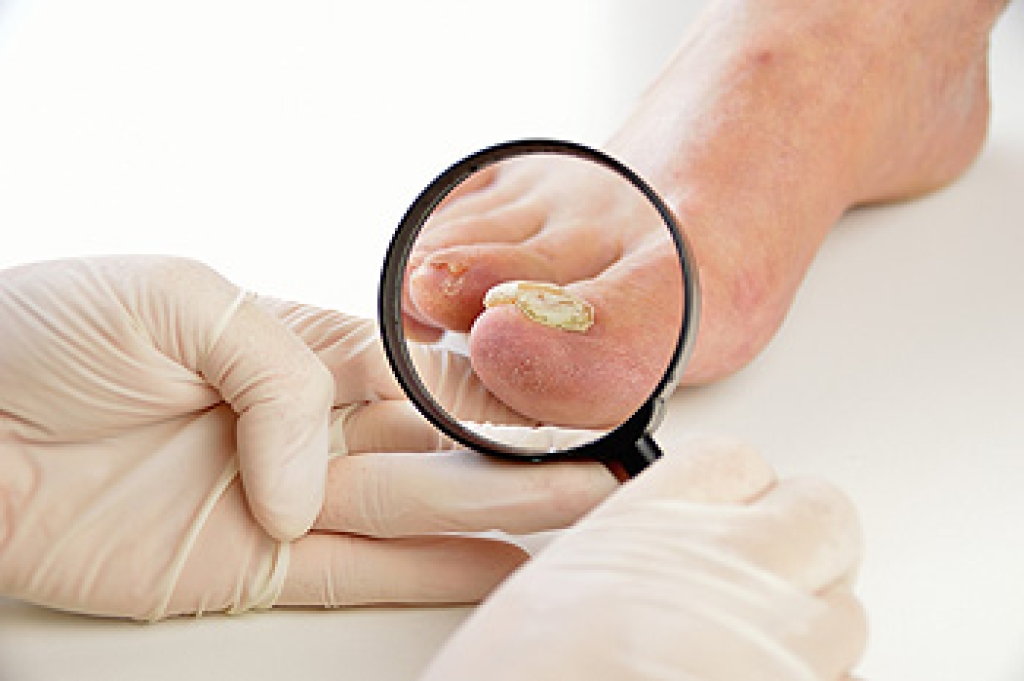
Foot ulcers often occur when poor circulation, nerve damage, or constant pressure prevents the skin from healing as it should. Individuals with diabetes are especially at risk because reduced feeling in the feet can allow small injuries to worsen without notice. Wearing shoes that do not fit well, having dry or cracked skin, or ignoring minor cuts can all contribute to ulcer development. Once a wound forms, bacteria can easily enter, leading to infection and delayed healing. Treatment involves cleaning the area, removing damaged tissue, and keeping pressure off the wound to encourage repair. A podiatrist may also suggest wearing special footwear or custom orthotics to protect the foot. Regular checkups are important to monitor progress. If a foot sore is slow to heal, it is suggested that you seek professional care from a podiatrist who can offer appropriate care and prevent serious complications.

Wound care is an important part in dealing with diabetes. If you have diabetes and a foot wound or would like more information about wound care for diabetics, consult with Jeffrey Rosenblatt, DPM from New York. Our doctor will assess your condition and provide you with quality foot and ankle treatment.

What Is Wound Care?

Wound care is the practice of taking proper care of a wound. This can range from the smallest to the largest of wounds. While everyone can benefit from proper wound care, it is much more important for diabetics. Diabetics often suffer from poor blood circulation which causes wounds to heal much slower than they would in a non-diabetic. 

What Is the Importance of Wound Care?

While it may not seem apparent with small ulcers on the foot, for diabetics, any size ulcer can become infected. Diabetics often also suffer from neuropathy, or nerve loss. This means they might not even feel when they have an ulcer on their foot. If the wound becomes severely infected, amputation may be necessary. Therefore, it is of the upmost importance to properly care for any and all foot wounds.

How to Care for Wounds

The best way to care for foot wounds is to prevent them. For diabetics, this means daily inspections of the feet for any signs of abnormalities or ulcers. It is also recommended to see a podiatrist several times a year for a foot inspection. If you do have an ulcer, run the wound under water to clear dirt from the wound; then apply antibiotic ointment to the wound and cover with a bandage. Bandages should be changed daily and keeping pressure off the wound is smart. It is advised to see a podiatrist, who can keep an eye on it.

If you have any questions please contact our office located in Brooklyn, NY . We offer the newest diagnostic and treatment technologies for all your foot and ankle needs.

Read more about Wound Care
Tuesday, 18 November 2025 00:00

Mistaking an Ankle Sprain and a Fracture

An ankle sprain and a fracture can feel very similar, making it easy to mistake one for the other. Both ankle injuries cause pain, swelling, and bruising, but a fracture involves a break in one or more bones. Fractures of the talus, fibula, or calcaneus bones can occur from a twisting injury, fall, or sudden impact. The resulting pain is often severe causing difficulty while bearing weight. Unlike a sprain, a fracture can produce sharp tenderness over a specific bone, and movement of the ankle may cause intense pain. If left untreated, a fracture that is mistaken for a sprain can result in joint stiffness, deformity, or long-term instability that affects the ability to walk. A podiatrist can evaluate the injured ankle through X-rays or other imaging tests and recommend the treatment that fits the injury. If you have injured your ankle, it is suggested that you schedule an appointment with a podiatrist for a diagnosis and appropriate treatment options.

Although ankle sprains are common, they aren’t always minor injuries. If you need your ankle injury looked at, contact Jeffrey Rosenblatt, DPM from New York. Our doctor can provide the care you need to keep you pain-free and on your feet.

How Does an Ankle Sprain Occur?

Ankle sprains are the result of a tear in the ligaments within the ankle. These injuries may happen when you make a rapid shifting movement while your foot is planted. A less common way to sprain your ankle is when your ankle rolls inward while your foot turns outward.

What Are the Symptoms?

  • Pain at the sight of the tear
  • Bruising/Swelling
  • Ankle area is tender to touch
  • In severe cases, may hear/feel something tear
  • Skin discoloration

Preventing a Sprain

  • Wearing appropriate shoes for the occasion
  • Stretching before exercises and sports
  • Knowing your limits

Treatment of a Sprain

In many cases, the RICE method (Rest, Ice, Compression, and Elevate) is used to treat ankle sprains. However, you should see a podiatrist to see which treatment option would work best with your injury. In severe cases, surgery may be required.

It is important to ask your doctor about rehab options after you receive treatment for your injury. Stretching, strength training, and balance exercises may help the ankle heal while also preventing further injury.

If you have any questions, please feel free to contact our office located in Brooklyn, NY . We offer the newest diagnostic and treatment technologies for all your foot care needs.

Read more about Three Grades of Ankle Sprains
Tuesday, 11 November 2025 00:00

Standing All Day at Work May Harm the Feet

Spending long hours on your feet at work places stress on the arches, heels, and toes, which can lead to aching, swelling, or stiffness. The constant pressure can strain the plantar fascia, which is the band of tissue along the bottom of the foot, and weaken the muscles that provide arch support. Standing for long periods of time also slows circulation, which contributes to swelling and discomfort in the ankles and feet. Shoes that lack adequate support, such as flip-flops or high-heels, increase pressure on the forefoot and may contribute to bunions, corns, and heel pain. In some cases, prolonged strain leads to inflammation of tendons or ligaments, making walking or standing even more difficult. A podiatrist can assess the source of the problem, prescribe custom orthotics, recommend changes in footwear, or provide medical treatment to relieve pain. If standing at work for long periods of time is causing foot pain, it is suggested that you schedule an appointment with a podiatrist for an exam and appropriate treatment.

While working on the feet, it is important to take the proper care of them. For more information about working on your feet, contact Jeffrey Rosenblatt, DPM from New York. Our doctor will treat your foot and ankle needs.

Working on Your Feet

Standing on your feet for long periods of time can cause stress and pain in your feet. Your whole body may experience change in terms of posture, back pain, bunions, callouses and or plantar warts. There are ways to avoid these conditions with proper foot care, smart choices and correct posture.

Positive Changes

Negative heeled shoe – Choosing this shoe type places the heel slightly lower than the ball of the foot. These are great for overall foot health. Find shoes that fit you correctly.

Go barefoot – Our feet were not designed to be enclosed for all hours of the day. Try to periodically expose your feet to air.

Eliminate Pain

Foot Exercises – Performing simple exercises, incorporating yoga and doing stretches are beneficial. This will allow increased blood flow to the area and muscles of the foot.

Achilles tendon – Stretching the foot out flat on the floor will relax the calf muscles and tendon. These exercises can be performed almost anywhere. Make sure you add these exercises to your daily regimen. 

With a little bit of this information and knowing more about foot health, you will notice changes. Foot stretches and proper footwear will help with pain and prevent further issues.

If you have any questions please contact our office located in Brooklyn, NY . We offer the newest diagnostic and treatment technologies for all your foot and ankle needs.

Read more about How to Handle a Long Work Day on Your Feet
Tuesday, 04 November 2025 00:00

When Little Toe Pain Becomes a Big Problem

That sharp tenderness along the edge of your toenail is often a sign of an ingrown toenail, a common issue that causes disproportionate discomfort. The pain, redness, and swelling are clear indicators that your toenail needs expert care to prevent the condition from progressing. The truth is, not all ingrown toenails are treated the same way. For milder cases, your podiatrist may utilize conservative, non-surgical techniques, such as taping or specialized bracing, to guide the nail's growth. However, if the condition is severe, chronic, or shows signs of infection like pus or excessive inflammation, a minor, in-office procedure may be necessary to remove the offending nail portion for immediate and lasting relief. A thorough exam will determine the right path for your foot health. If your ingrown toenail is not improving or is painful and infected, it is suggested that you schedule an appointment with a podiatrist for an exam and appropriate treatment.

Toe pain can disrupt your daily activities. If you have any concerns, contact Jeffrey Rosenblatt, DPM of New York. Our doctor can provide the care you need to keep you pain-free and on your feet.

What Causes Toe Pain?

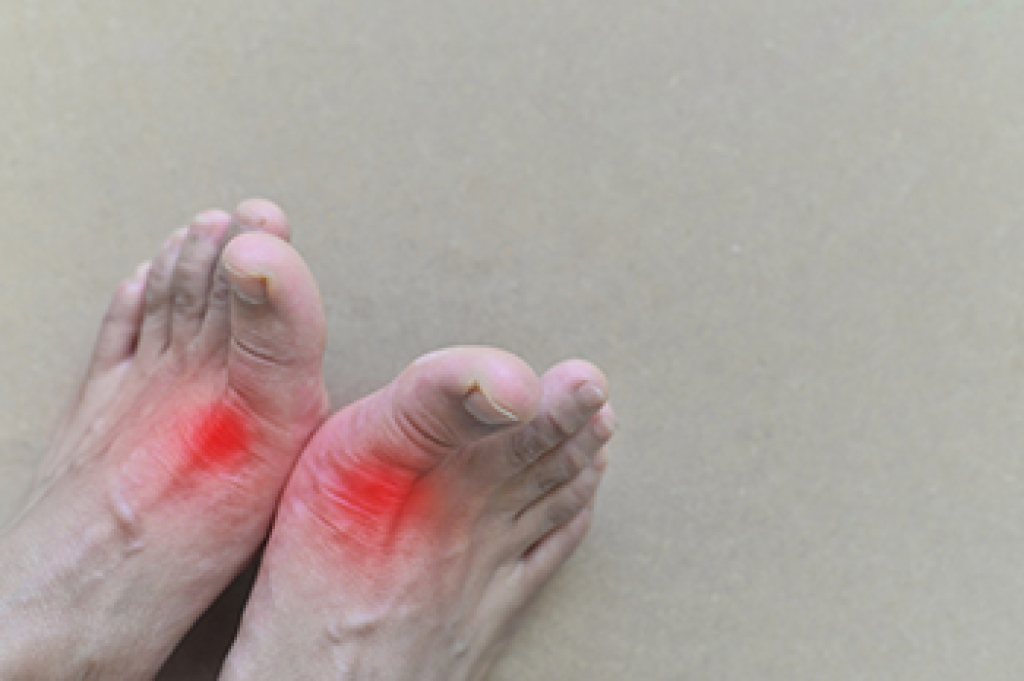
Most severe toe pain is caused due to a sports injury, trauma from dropping something heavy on the toe, or bumping into something rigid. Other problems can develop over time for various reasons.

Toe pain can be caused by one or more ailments. The most common include:

  • Trauma
  • Sports injury
  • Wearing shoes that are too tight
  • Arthritis
  • Gout
  • Corns and calluses
  • Hammertoe
  • Bunions
  • Blisters
  • Ingrown toenails
  • Sprains
  • Fractures (broken bones)
  • Dislocations

When to See a Podiatrist

  • Severe pain
  • Persistent pain that lasts more than a week
  • Signs of infection
  • Continued swelling
  • Pain that prevents walking

Diagnosis

In many cases the cause of toe pain is obvious, but in others, a podiatrist may want to use more advanced methods to determine the problem. These can range from simple visual inspections and sensation tests to X-rays and MRI scans. Prior medical history, family medical history, and any recent physical traumatic events will all be taken into consideration for a proper diagnosis.

Treatment

Treatments for toe pain and injuries vary and may include shoe inserts, padding, taping, medicines, injections, and in some cases, surgery. If you believe that you have broken a toe, please see a podiatrist as soon as possible.

If you have any questions please contact our office located in Brooklyn, NY . We offer the newest diagnostic and treatment technologies for all your foot and ankle needs.
Read more about Toe Pain

Connect With Us

Book Online