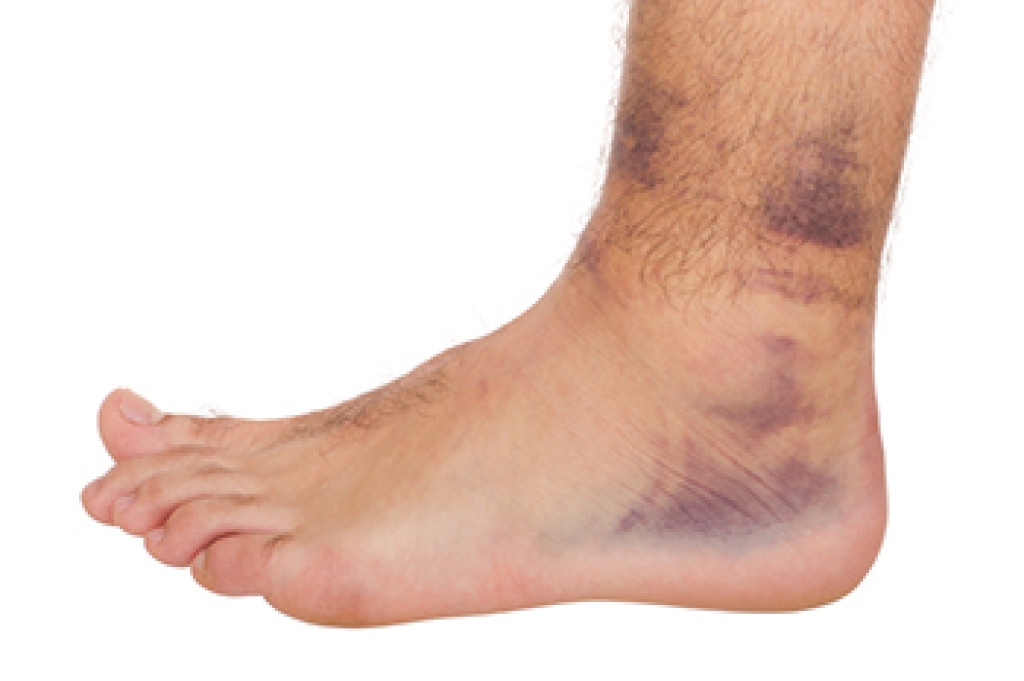
Achilles Tendon Pain Can Affect Daily Movement

Achilles tendon pain often develops when the thick tendon connecting the calf muscles to the heel becomes irritated or inflamed from overuse, strain, or injury. This condition may cause aching, stiffness, or burning pain along the back of the heel or lower leg. This often happens after exercise or first getting out of bed in the morning. The area may appear swollen or thickened and can feel tender when touched. Running, climbing stairs, or prolonged walking may increase discomfort and make movement more difficult. Common causes include sudden increases in activity, tight calf muscles, wearing improper footwear, and repeated stress on the tendon. A podiatrist can evaluate the severity of the condition and determine whether there is inflammation, small tears, or tendon degeneration. Treatment may include wearing supportive footwear, targeted exercises, and activity modification. If you have Achilles tendon pain, it is suggested that you schedule an appointment with a podiatrist for an accurate diagnose and appropriate treatment plan.

Achilles tendon injuries need immediate attention to avoid future complications. If you have any concerns, contact Jeffrey Rosenblatt, DPM of New York. Our doctor can provide the care you need to keep you pain-free and on your feet.

What Is the Achilles Tendon?

The Achilles tendon is a tendon that connects the lower leg muscles and calf to the heel of the foot. It is the strongest tendon in the human body and is essential for making movement possible. Because this tendon is such an integral part of the body, any injuries to it can create immense difficulties and should immediately be presented to a doctor.

What Are the Symptoms of an Achilles Tendon Injury?

There are various types of injuries that can affect the Achilles tendon. The two most common injuries are Achilles tendinitis and ruptures of the tendon.

Achilles Tendinitis Symptoms

  • Inflammation
  • Dull to severe pain
  • Increased blood flow to the tendon
  • Thickening of the tendon

Rupture Symptoms

  • Extreme pain and swelling in the foot
  • Total immobility

Treatment and Prevention

Achilles tendon injuries are diagnosed by a thorough physical evaluation, which can include an MRI. Treatment involves rest, physical therapy, and in some cases, surgery. However, various preventative measures can be taken to avoid these injuries, such as:

  • Thorough stretching of the tendon before and after exercise
  • Strengthening exercises like calf raises, squats, leg curls, leg extensions, leg raises, lunges, and leg presses

If you have any questions please feel free to contact our office located in Brooklyn, NY . We offer the newest diagnostic tools and technology to treat your foot and ankle needs.

Read more about Achilles Tendon Injuries

How Muscle Imbalance in the Feet Affects Movement

Muscle imbalance in the feet can lead to a variety of physical problems and altered patterns of movement over time. When certain muscles are weaker or tighter than others, the foot may not function properly during walking or standing. This imbalance can place abnormal stress on the joints of the foot, which may affect gait and lead to discomfort or instability. As movement patterns change, additional strain can develop in the ankles, knees, hips, and lower back. Risk factors may include wearing poor footwear, overuse, injury, or structural issues. Without proper care, these imbalances can worsen and interfere with daily activity. A podiatrist can help by evaluating foot function, correcting imbalances, and providing targeted treatment. If you have foot pain, discomfort, or changes while walking, it is suggested that you consult a podiatrist who can offer appropriate treatment solutions.

If you have any concerns about your feet, contact Jeffrey Rosenblatt, DPM from New York. Our doctor can provide the care you need to keep you pain-free and on your feet.

Biomechanics in Podiatry

Podiatric biomechanics is a particular sector of specialty podiatry with licensed practitioners who are trained to diagnose and treat conditions affecting the foot, ankle and lower leg. Biomechanics deals with the forces that act against the body, causing an interference with the biological structures. It focuses on the movement of the ankle, the foot and the forces that interact with them.

A History of Biomechanics

  • Biomechanics dates back to the BC era in Egypt where evidence of professional foot care has been recorded.
  • In 1974, biomechanics gained a higher profile from the studies of Merton Root, who claimed that by changing or controlling the forces between the ankle and the foot, corrections or conditions could be implemented to gain strength and coordination in the area.

Modern technological improvements are based on past theories and therapeutic processes that provide a better understanding of podiatric concepts for biomechanics. Computers can provide accurate information about the forces and patterns of the feet and lower legs.

Understanding biomechanics of the feet can help improve and eliminate pain, stopping further stress to the foot.

If you have any questions please feel free to contact our office located in Brooklyn, NY . We offer the newest diagnostic and treatment technologies for all your foot and ankle needs.

Read more about Biomechanics in Podiatry

Causes and Risks of Ingrown Toenails

An ingrown toenail occurs when the edge of a nail grows into the surrounding skin, most often on the big toe, causing pain, redness, and swelling. This usually happens from cutting nails too short, rounding the edges, wearing tight shoes, or injuring the toe. If not treated, the area can become infected, leading to a condition called paronychia, where bacteria or fungi invade the skin surrounding the nail. This may cause pus, increased pain, and further swelling. In rare cases, complications like skin damage or deeper infections can develop, especially in people with diabetes. Mild cases can often be managed with conservative care. However, more severe cases with significant pain or infection may require more advanced medical treatment, including minor procedures to remove part of the nail and prevent recurrence. If you have a painful ingrown toenail, it is suggested that you see a podiatrist for effective relief and treatment solutions.

Ingrown toenails can become painful if they are not treated properly. For more information about ingrown toenails, contact Jeffrey Rosenblatt, DPM of New York. Our doctor can provide the care you need to keep you pain-free and on your feet.

Ingrown Toenails

Ingrown toenails occur when a toenail grows sideways into the bed of the nail, causing pain, swelling, and possibly infection.

Causes

  • Bacterial infections
  • Improper nail cutting such as cutting it too short or not straight across
  • Trauma to the toe, such as stubbing, which causes the nail to grow back irregularly
  • Ill-fitting shoes that bunch the toes too close together
  • Genetic predisposition

Prevention

Wearing proper fitting shoes and using proper cutting techniques will also help decrease your risk of developing ingrown toenails.

Treatment

Ingrown toenails are a very treatable foot condition. In minor cases, soaking the affected area in salt or antibacterial soaps will not only help with the ingrown nail itself, but also help prevent any infections from occurring. In more severe cases, surgery is an option. In either case, speaking to your podiatrist about this condition will help you get a better understanding of specific treatment options that are right for you.

If you have any questions, please feel free to contact our office located in Brooklyn, NY . We offer the newest diagnostic and treatment technologies for all your foot care needs.
Read more about Ingrown Toenail Care

Toenails That Become Thick and Difficult to Manage

Toenail fungus is one of the most common reasons for thickened toenails. The infection can cause the nail to become discolored, brittle, and enlarged, often appearing yellow, white, or brown. As the nail thickens, it may become harder to trim and can press against the surrounding skin, leading to discomfort. Other causes of thick toenails include repeated trauma from tight shoes, aging, or underlying skin conditions that affect nail growth. In some cases, the nail may lift from the nail bed or develop a crumbly texture. A podiatrist can evaluate the nail to determine whether the thickening is due to fungal infection or another cause. Treatment options include antifungal medications, professional trimming or thinning of the nail, and guidance on proper foot hygiene and footwear. Early care helps improve comfort and prevent the condition from worsening. If you have thick toenails or signs of a fungal infection, it is suggested that you make an appointment with a podiatrist.

If left untreated, toenail fungus may spread to other toenails, skin, or even fingernails. If you suspect you have toenail fungus it is important to seek treatment right away. For more information about treatment, contact Jeffrey Rosenblatt, DPM of New York. Our doctor can provide the care you need to keep you pain-free and on your feet.

Symptoms

  • Warped or oddly shaped nails
  • Yellowish nails
  • Loose/separated nail
  • Buildup of bits and pieces of nail fragments under the nail
  • Brittle, broken, thickened nail

Treatment

If self-care strategies and over-the-counter medications does not help your fungus, your podiatrist may give you a prescription drug instead. Even if you find relief from your toenail fungus symptoms, you may experience a repeat infection in the future.

Prevention

In order to prevent getting toenail fungus in the future, you should always make sure to wash your feet with soap and water. After washing, it is important to dry your feet thoroughly especially in between the toes. When trimming your toenails, be sure to trim straight across instead of in a rounded shape. It is crucial not to cover up discolored nails with nail polish because that will prevent your nail from being able to “breathe”.

In some cases, surgical procedure may be needed to remove the toenail fungus. Consult with your podiatrist about the best treatment options for your case of toenail fungus.  

If you have any questions please contact our office located in Brooklyn, NY . We offer the newest diagnostic and treatment technologies for all your foot and ankle needs.

Read more about How to Treat Your Toenail Fungus

Heel Pain in the Morning?

Heel pain can negatively affect your day-to-day life. Simple activities like walking can become incredibly uncomfortable or painful due to heel pain.

Don’t live with heel pain and get treated.

Connect With Us

Book Online