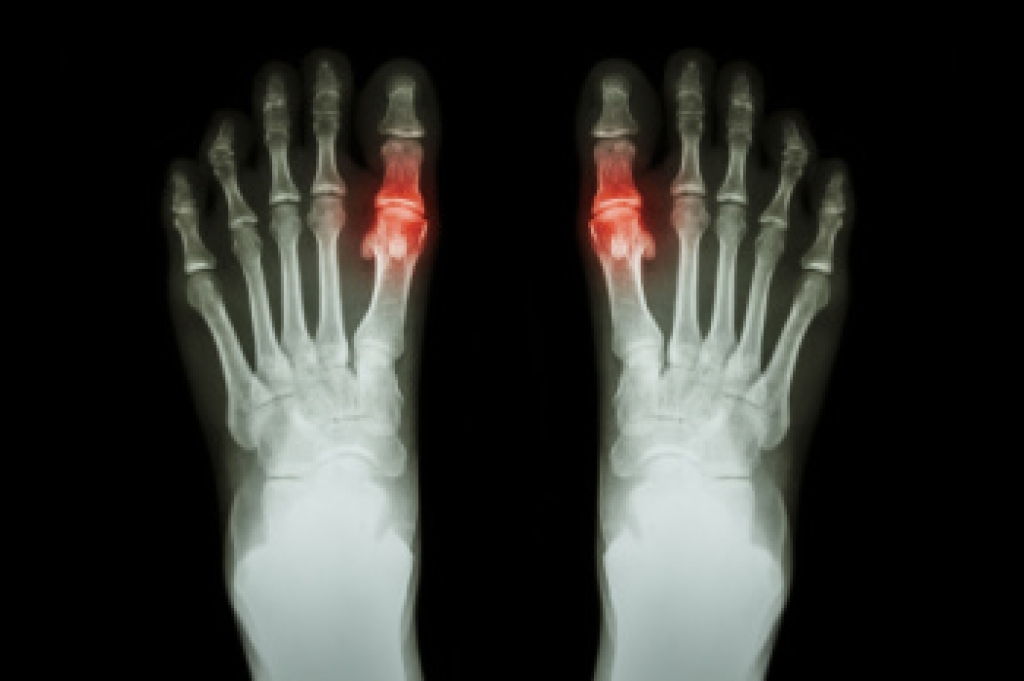
What Is Gout?

Gout is a form of inflammatory arthritis caused by the buildup of uric acid crystals in the joints, often affecting the big toe. It typically appears suddenly, with symptoms such as intense pain, swelling, redness, and warmth in the affected area. Gout attacks can be triggered by certain foods, excessive alcohol, dehydration, or medications. While lifestyle changes, such as dietary adjustments and increased hydration, can help manage mild cases, recurrent or severe attacks may require medical intervention. If you experience debilitating pain or swelling in the big toe that does not improve on its own, it is important to see a podiatrist. This type of doctor may prescribe medications to lower uric acid levels or reduce inflammation, helping to prevent future flare-ups. If you have or suspect you have gout, it is suggested you schedule an appointment with a podiatrist for a comprehensive evaluation and effective treatment options tailored to your needs.

Gout is a foot condition that requires certain treatment and care. If you are seeking treatment, contact Jeffrey Rosenblatt, DPM from New York. Our doctor will treat your foot and ankle needs.

What Is Gout?

Gout is a type of arthritis caused by a buildup of uric acid in the bloodstream. It often develops in the foot, especially the big toe area, although it can manifest in other parts of the body as well. Gout can make walking and standing very painful and is especially common in diabetics and the obese.

People typically get gout because of a poor diet. Genetic predisposition is also a factor. The children of parents who have had gout frequently have a chance of developing it themselves.

Gout can easily be identified by redness and inflammation of the big toe and the surrounding areas of the foot. Other symptoms include extreme fatigue, joint pain, and running high fevers. Sometimes corticosteroid drugs can be prescribed to treat gout, but the best way to combat this disease is to get more exercise and eat a better diet.

If you have any questions, please feel free to contact our office located in Brooklyn, NY . We offer the newest diagnostic and treatment technologies for all your foot care needs.
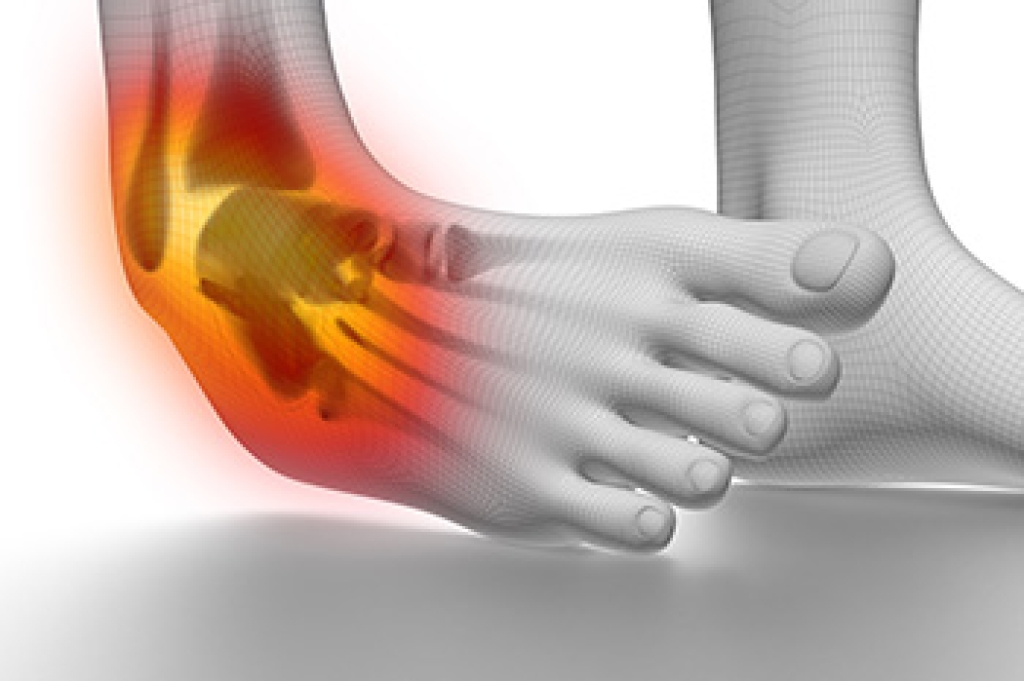
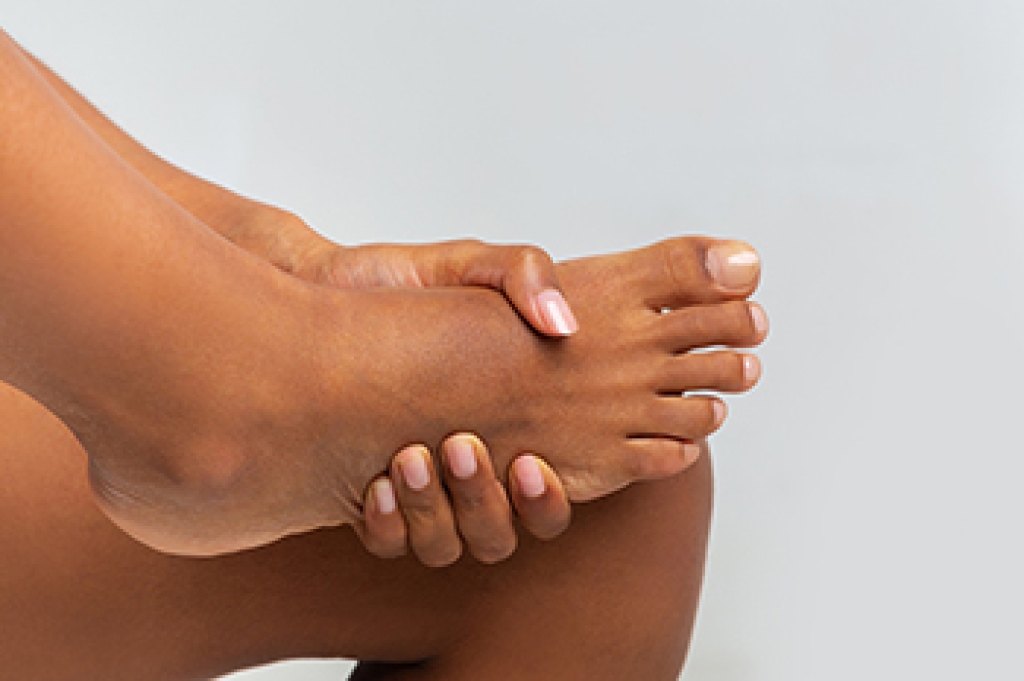
Read more about Everything You Need to Know About Gout

Ankle Injuries and Grades

Ankle sprains are common injuries that occur when the ligaments supporting the ankle stretch or tear. One of the most prevalent types is the inversion sprain, which happens when the foot rolls inward, often leading to damage on the outer side of the ankle. Medial ankle sprains, though less common, occur when the foot rolls outward, affecting the ligaments on the inner side. High ankle sprains involve injury to the ligaments connecting the tibia and fibula, usually resulting from a twisting injury. Ankle sprains are typically classified into three grades. Grade one involves mild stretching, grade two indicates partial tearing, and grade three signifies a complete tear of the ligament. If you have sprained your ankle, it is suggested that you promptly contact a podiatrist who can identify which kind of sprain it is, and offer appropriate treatment solutions. 

Although ankle sprains are common, they aren’t always minor injuries. If you need your ankle injury looked at, contact Jeffrey Rosenblatt, DPM from New York. Our doctor can provide the care you need to keep you pain-free and on your feet.

How Does an Ankle Sprain Occur?

Ankle sprains are the result of a tear in the ligaments within the ankle. These injuries may happen when you make a rapid shifting movement while your foot is planted. A less common way to sprain your ankle is when your ankle rolls inward while your foot turns outward.

What Are the Symptoms?

  • Pain at the sight of the tear
  • Bruising/Swelling
  • Ankle area is tender to touch
  • In severe cases, may hear/feel something tear
  • Skin discoloration

Preventing a Sprain

  • Wearing appropriate shoes for the occasion
  • Stretching before exercises and sports
  • Knowing your limits

Treatment of a Sprain

In many cases, the RICE method (Rest, Ice, Compression, and Elevate) is used to treat ankle sprains. However, you should see a podiatrist to see which treatment option would work best with your injury. In severe cases, surgery may be required.

It is important to ask your doctor about rehab options after you receive treatment for your injury. Stretching, strength training, and balance exercises may help the ankle heal while also preventing further injury.

If you have any questions, please feel free to contact our office located in Brooklyn, NY . We offer the newest diagnostic and treatment technologies for all your foot care needs.
Read more about Ankle Sprains

Causes of Foot Arch Pain

Pain in the arch of the foot can stem from various conditions that affect its structure and function. Plantar fasciitis is one of the most common causes, resulting from inflammation of the thick band of tissue that runs along the bottom of the foot. Overpronation, which occurs when the foot rolls inward excessively, can lead to strain and discomfort in the arch. Individuals with a cavus foot, or high arch, may also experience pain due to increased pressure on the arch. Conversely, flat feet, where the arches are collapsed, can lead to instability and discomfort. Additionally, posterior tibial tendon dysfunction, where the tendon that supports the arch of the foot becomes inflamed or damaged, can weaken the support for the arch, causing pain and difficulty in walking. If you have pain in this part of your foot, it is suggested that you consult a podiatrist who can determine the cause and offer effective treatment solutions.

Foot Pain

Foot pain can be extremely painful and debilitating. If you have a foot pain, consult with Jeffrey Rosenblatt, DPM from New York. Our doctor will assess your condition and provide you with quality foot and ankle treatment.

Causes

Foot pain is a very broad condition that could be caused by one or more ailments. The most common include:

  • Bunions
  • Hammertoes
  • Plantar Fasciitis
  • Bone Spurs
  • Corns
  • Tarsal Tunnel Syndrome
  • Ingrown Toenails
  • Arthritis (such as Gout, Rheumatoid, and Osteoarthritis)
  • Flat Feet
  • Injury (from stress fractures, broken toe, foot, ankle, Achilles tendon ruptures, and sprains)
  • And more

Diagnosis

To figure out the cause of foot pain, podiatrists utilize several different methods. This can range from simple visual inspections and sensation tests to X-rays and MRI scans. Prior medical history, family medical history, and any recent physical traumatic events will all be taken into consideration for a proper diagnosis.

Treatment

Treatment depends upon the cause of the foot pain. Whether it is resting, staying off the foot, or having surgery; podiatrists have a number of treatment options available for foot pain.

If you have any questions, please feel free to contact our office located in Brooklyn, NY . We offer the newest diagnostic and treatment technologies for all your foot care needs.

Read more about Foot Pain

Why Skin Fissures Cause Cracked Heels

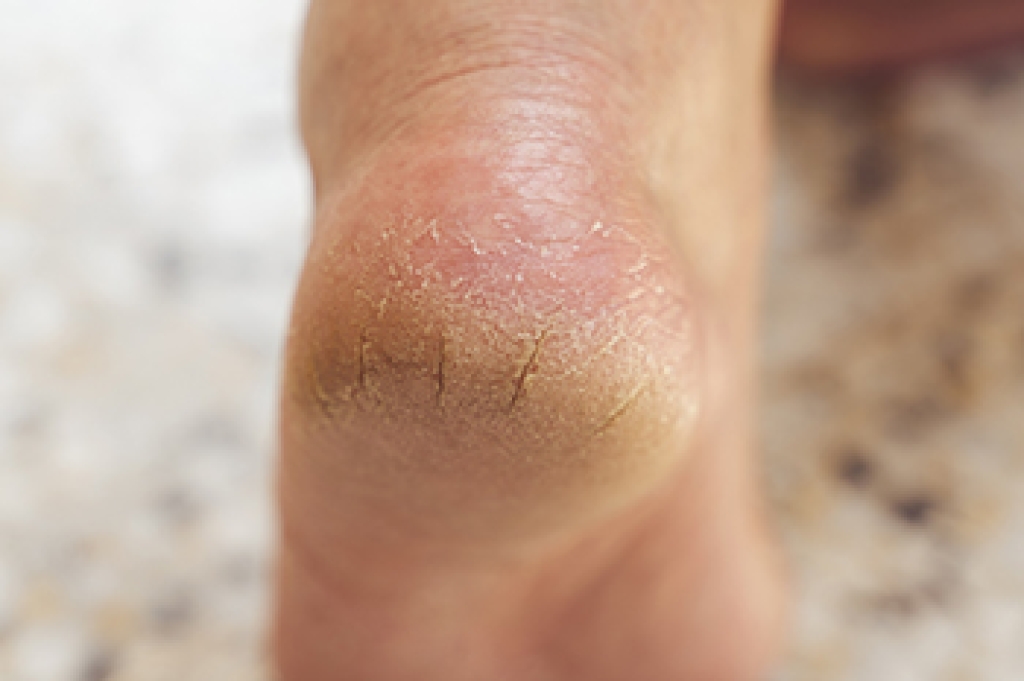
Skin fissures are a common cause of cracked heels, often resulting from dry and thickened skin. When the skin on the heels becomes excessively dry, it loses its elasticity and flexibility. This lack of moisture causes the skin to become rough and hard, making it prone to splitting or cracking. Factors contributing to skin fissures include prolonged standing, wearing open-back shoes, and environmental conditions like low humidity. Additionally, underlying health issues like diabetes or eczema can cause dryness and skin damage. As the skin continues to bear weight and pressure, these fissures deepen, leading to painful cracks. Cracked heels can be painful, and may cause difficulty in completing daily activities. If you have developed this condition, it is suggested that you consult a podiatrist who can offer you treatment remedies, which may include prescribed medication.

If the skin on your feet starts to crack, you may want to see a podiatrist to find treatment. If you have any concerns, contact Jeffrey Rosenblatt, DPM from New York. Our doctor can provide the care you need to keep you pain-free and on your feet.

Cracked Heels

It is important to moisturize your cracked heels in order to prevent pain, bleeding, and infection. The reason cracked heels form is because the skin on the foot is too dry to support the immense pressure placed on them. When the foot expands, the dry skin on the foot begins to split.

Ways to Help Heal Them

  • Invest in a good foot cream
  • Try Using Petroleum Jelly
  • Ease up on Soaps
  • Drink Plenty of Water

Ways to Prevent Cracked Heels

  • Moisturize After Showering
  • Skip a Shower
  • Keep Shower Water Lukewarm
  • Don’t Scrub Your Feet

If you are unsure how to proceed in treating cracked heels, seek guidance from a podiatrist. Your doctor will help you with any questions or information you may need. 

If you have any questions, please feel free to contact our office located in Brooklyn, NY . We offer the newest diagnostic and treatment technologies for all your foot care needs.

Read more about Solutions for Cracked Heels

Heel Pain in the Morning?

Heel pain can negatively affect your day-to-day life. Simple activities like walking can become incredibly uncomfortable or painful due to heel pain.

Don’t live with heel pain and get treated.

Connect With Us

Book Online