
Small Bone Injuries in the Foot

Tiny cracks in the bones of the foot can develop from repeated strain rather than a single sudden injury, often causing discomfort that gradually worsens with movement. Because symptoms may begin subtly, diagnosis is not always straightforward, especially when early testing does not clearly show the problem. A podiatrist will consider symptom history, physical examination findings, activity patterns, foot structure, and overall health factors that may affect bone strength. When discomfort continues despite an unclear initial evaluation, more detailed scanning may be used to identify the source of pain. Treatment depends on which bone is affected and how severe the injury appears. Many cases require protecting the foot with supportive devices that limit motion while healing takes place. Temporary changes in physical activity are often necessary to prevent the injury from worsening. Early diagnosis can help avoid longer recovery times or more serious complications. If foot pain continues to worsen with activity, it is suggested that you visit a podiatrist for an evaluation and appropriate treatment.

Stress fractures occur when there is a tiny crack within a bone. To learn more, contact Jeffrey Rosenblatt, DPM from New York. Our doctor can provide the care you need to keep you pain free and on your feet.

How Are They Caused?

Stress fractures are the result of repetitive force being placed on the bone. Since the lower leg and feet often carry most of the body’s weight, stress fractures are likely to occur in these areas. If you rush into a new exercise, you are more likely to develop a stress fracture since you are starting too much, too soon.  Pain resulting from stress fractures may go unnoticed at first, however it may start to worsen over time.

Risk Factors

  • Gender – They are more commonly found in women compared to men.
  • Foot Problems – People with unusual arches in their feet are more likely to develop stress fractures.
  • Certain Sports – Dancers, gymnasts, tennis players, runners, and basketball players are more likely to develop stress fractures.
  • Lack of Nutrients – A lack of vitamin D and calcium may weaken the bones and make you more prone to stress fractures
  • Weak Bones – Osteoporosis can weaken the bones therefore resulting in stress fractures

Stress fractures do not always heal properly, so it is important that you seek help from a podiatrist if you suspect you may have one. Ignoring your stress fracture may cause it to worsen, and you may develop chronic pain as well as additional fractures.

If you have any questions please contact our office located in Brooklyn, NY . We offer the newest diagnostic and treatment technologies for all your foot and ankle needs.

Read more about Stress Fractures of the Foot and Ankle

Gout in the Feet and When to See a Podiatrist

Gout is a form of inflammatory arthritis that often affects the feet and can cause sudden, intense pain. Although the big toe is the most common location, gout may also develop in the midfoot, ankle, or several joints at the same time. The condition occurs when crystals form inside a joint, triggering inflammation and severe discomfort. A gout flare may begin without warning and make standing or walking very difficult. Because symptoms can resemble other foot conditions, an accurate diagnosis is important before treatment begins. Identifying gout early can help prevent repeated flare-ups, reduce joint damage, and support better long-term foot health. Prompt evaluation is especially important when pain is severe or symptoms continue to return.


Symptoms of gout in the feet often appear quickly and may become severe within hours. Many people experience intense joint pain, swelling, or redness in the affected area. Others notice warmth around the joint or tenderness that makes even light pressure uncomfortable. During a flare, walking and wearing shoes may become difficult because movement increases discomfort. Although the big toe is commonly involved, gout can also affect the heel, ankle, or other joints in the foot. Repeated flare-ups may eventually damage the joints and reduce mobility if the condition is not properly managed. A professional evaluation can determine whether gout is the cause of your symptoms and help distinguish it from other sources of foot pain.


A podiatrist plays an important role in diagnosing and managing gout that affects the feet and ankles. During an examination, the podiatrist reviews your symptoms, evaluates the affected joints, and may recommend additional testing to confirm the diagnosis. Treatment focuses on relieving pain, protecting joint function, and reducing the impact gout has on everyday activities. Ongoing podiatry care can also help monitor changes in the feet and identify complications before they become more serious. If you are experiencing sudden foot pain, swelling, or redness that may be a sign of gout, it is suggested that you consult a podiatrist for an evaluation and appropriate treatment options.

Gout is a foot condition that requires certain treatment and care. If you are seeking treatment, contact Jeffrey Rosenblatt, DPM from New York. Our doctor will treat your foot and ankle needs.

What Is Gout?

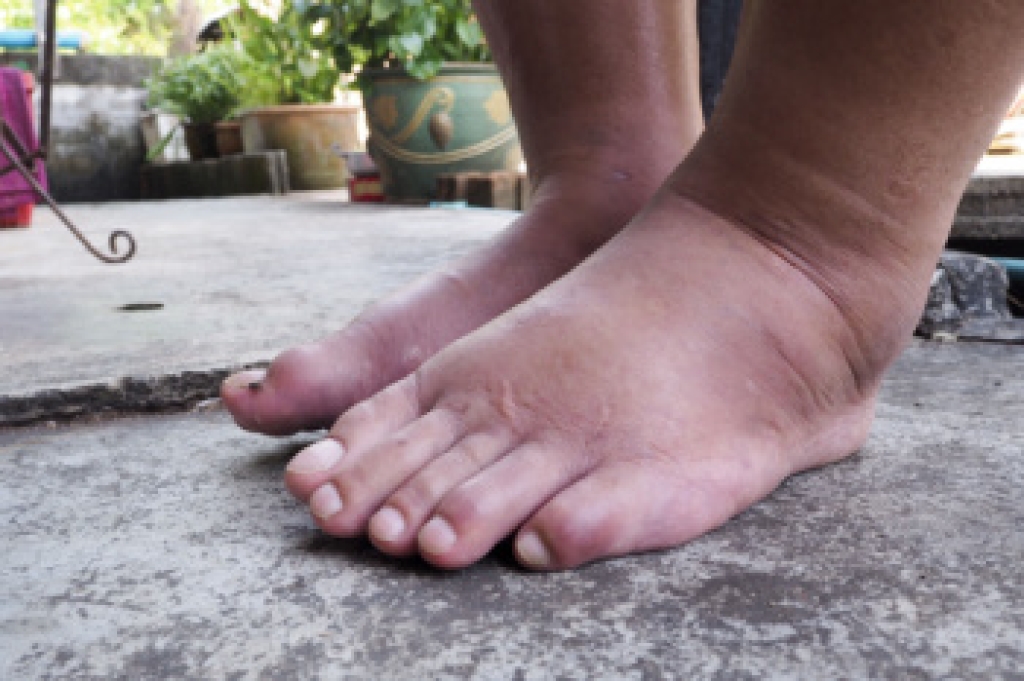
Gout is a type of arthritis caused by a buildup of uric acid in the bloodstream. It often develops in the foot, especially the big toe area, although it can manifest in other parts of the body as well. Gout can make walking and standing very painful and is especially common in diabetics and the obese.

People typically get gout because of a poor diet. Genetic predisposition is also a factor. The children of parents who have had gout frequently have a chance of developing it themselves.

Gout can easily be identified by redness and inflammation of the big toe and the surrounding areas of the foot. Other symptoms include extreme fatigue, joint pain, and running high fevers. Sometimes corticosteroid drugs can be prescribed to treat gout, but the best way to combat this disease is to get more exercise and eat a better diet.

If you have any questions, please feel free to contact our office located in Brooklyn, NY . We offer the newest diagnostic and treatment technologies for all your foot care needs.
Read more about Everything You Need to Know About Gout

Metatarsal Foot Fractures and Common Causes of Forefoot Injury

A metatarsal foot fracture is a break in one of the long bones located in the forefoot, which connect the midfoot to the toes. These bones play an important role in balance, walking, and weight distribution. A fracture in this area can range from a small stress crack to a complete break. Metatarsal fractures are common foot injuries and may occur suddenly due to trauma or gradually from repetitive stress over time.

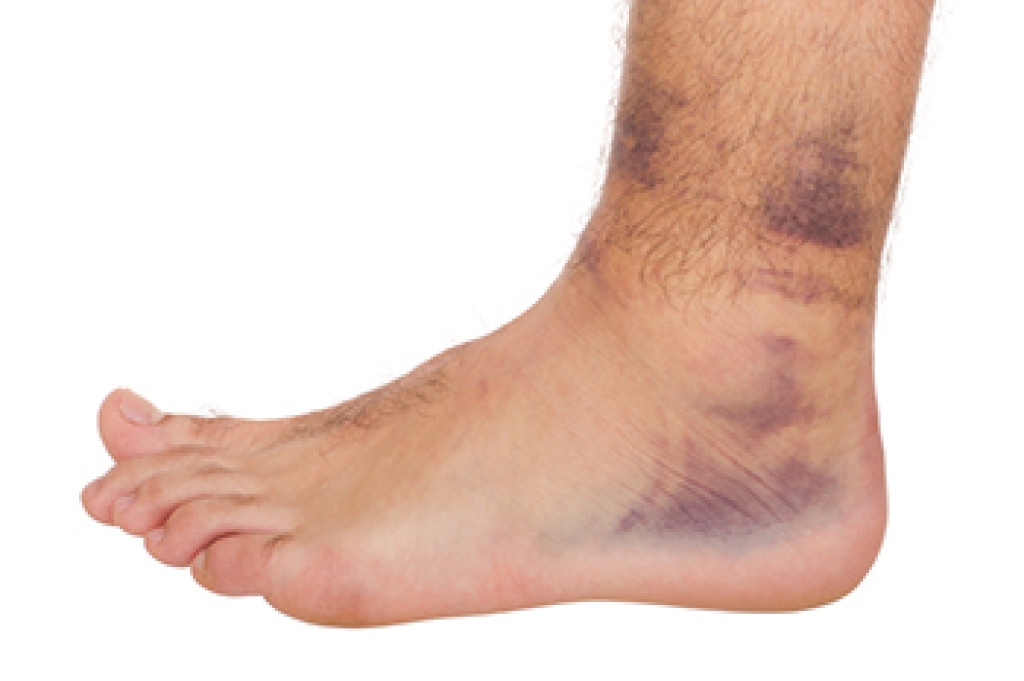
Symptoms of a metatarsal fracture include sharp pain in the top or ball of the foot that worsens with movement or weight bearing. Swelling, bruising, and tenderness are also common, and the foot may appear visibly swollen or misshapen in more severe cases. Some individuals may feel a popping sensation at the time of injury. Walking often becomes difficult, and limping may develop as the body attempts to avoid pressure on the injured area.


There are several risk factors associated with metatarsal fractures. High-impact sports, such as running, basketball, or soccer, increase the likelihood of injury due to repetitive force on the forefoot. Wearing improper footwear that lacks support or cushioning can also contribute. Structural foot issues, such as high arches or abnormal gait patterns, may place uneven stress on the metatarsals. Bone conditions like osteoporosis can further weaken bone strength, increasing fracture risk.


The causes of metatarsal fractures include both acute trauma and overuse injuries. Acute fractures may result from a sudden injury, such as a direct blow to the foot or twisting of the ankle. Overuse fractures, often called stress fractures, develop gradually due to repeated strain without adequate rest. Early diagnosis is important to prevent complications and promote healing. If you have broken your foot, it is suggested that you promptly consult a podiatrist who can determine what the best treatment is for your type of fracture.

A broken foot requires immediate medical attention and treatment. If you need your feet checked, contact Jeffrey Rosenblatt, DPM from New York. Our doctor can provide the care you need to keep you pain-free and on your feet.

Broken Foot Causes, Symptoms, and Treatment

A broken foot is caused by one of the bones in the foot typically breaking when bended, crushed, or stretched beyond its natural capabilities. Usually the location of the fracture indicates how the break occurred, whether it was through an object, fall, or any other type of injury. 

Common Symptoms of Broken Feet:

  • Bruising
  • Pain
  • Redness
  • Swelling
  • Blue in color
  • Numbness
  • Cold
  • Misshapen
  • Cuts
  • Deformities

Those that suspect they have a broken foot shoot seek urgent medical attention where a medical professional could diagnose the severity.

Treatment for broken bones varies depending on the cause, severity and location. Some will require the use of splints, casts or crutches while others could even involve surgery to repair the broken bones. Personal care includes the use of ice and keeping the foot stabilized and elevated.

If you have any questions, please feel free to contact our office located in Brooklyn, NY . We offer the newest diagnostic and treatment technologies for all your foot care needs.
Read more about Causes, Symptoms, and Treatment for a Broken Foot

How to Recognize an Athlete’s Foot Infection

Athlete’s foot is a contagious fungal infection that affects the skin of the feet. It usually begins between the toes, where warmth and moisture create an ideal environment for fungus to grow. One of the first symptoms is itching between the toes. Other symptoms are peeling skin, scaling, or small cracks in the affected area. The skin may also appear red and irritated, becoming tender and uncomfortable when wearing shoes. People who wear closed-toe shoes, have sweaty feet, or walk barefoot in public locker rooms and pool areas have a greater risk of developing athlete’s foot.

As the athlete’s foot infection progresses, the fungus can spread to the soles of the feet and cause dry, flaky skin. Some people develop a burning sensation or stinging discomfort. Others notice pale, wrinkled skin after the feet have been exposed to moisture. Small blisters can also form, causing further irritation. In more advanced cases, the skin may crack deeply enough to become painful when walking. Open sores can develop in severe infections. These sores increase the risk of additional skin problems and can make daily activities more difficult.

A podiatrist can recognize athlete’s foot by examining the skin and identifying the pattern of the infection. Treatment depends on the severity of the condition and may include prescription antifungal medication to eliminate the fungus. When the infection has spread to the toenails, treatment can be more extensive because nail fungus is harder to clear. Keeping the feet clean and dry also helps reduce the chance of future infections. Prompt care can relieve discomfort and help prevent the infection from spreading. If you believe you may have an athlete's foot infection, it is suggested that you make an appointment with a podiatrist for an exam and diagnosis.

Athlete’s foot is an inconvenient condition that can be easily reduced with the proper treatment. If you have any concerns about your feet and ankles, contact Jeffrey Rosenblatt, DPM from New York.  Our doctor will treat your foot and ankle needs.

Athlete’s Foot: The Sole Story

Athlete's foot, also known as tinea pedis, can be an extremely contagious foot infection. It is commonly contracted in public changing areas and bathrooms, dormitory style living quarters, around locker rooms and public swimming pools, or anywhere your feet often come into contact with other people.

Solutions to Combat Athlete’s Foot

  • Hydrate your feet by using lotion
  • Exfoliate
  • Buff off nails
  • Use of anti-fungal products
  • Examine your feet and visit your doctor if any suspicious blisters or cuts develop

Athlete’s foot can cause many irritating symptoms such as dry and flaking skin, itching, and redness. Some more severe symptoms can include bleeding and cracked skin, intense itching and burning, and even pain when walking. In the worst cases, Athlete’s foot can cause blistering as well. Speak to your podiatrist for a better understanding of the different causes of Athlete’s foot, as well as help in determining which treatment options are best for you.

If you have any questions please feel free to contact our office located in Brooklyn, NY . We offer the newest diagnostic and treatment technologies for all your foot and ankle needs.

Read more about Athlete's Foot

Connect With Us

Book Online