
Plantar warts are small growths that develop on parts of the feet that bear weight. They're typically found on the bottom of the foot. Don't live with plantar warts, and call us today!
Plantar warts are small growths that develop on parts of the feet that bear weight. They're typically found on the bottom of the foot. Don't live with plantar warts, and call us today!

The Achilles tendon is the thick band of tissue that connects the calf muscles to the heel bone. It carries body weight when the foot pushes off the ground while walking or running. Achilles tendon injuries can develop when this tissue becomes irritated, damaged, or torn. Achilles tendonitis can cause pain at the back of the heel, especially while moving the ankle or pushing off the toes. Patients can also experience stiffness, swelling, and tenderness. Symptoms can begin suddenly or gradually, and can become worse after exercise.
Overuse is a frequent cause of Achilles tendon problems. Risk can increase when a person suddenly raises the amount or intensity of exercise. Repeated jumping, running on hard surfaces, and demanding work can also place extra stress on the tendon. Flattened arches and shoes that lack proper support can contribute to the problem. Achilles tendonitis can affect the middle portion of the tendon or the area where it attaches to the heel. A more serious injury is an Achilles tendon rupture, which occurs when the tendon tears partially or completely. Ruptures frequently happen while exercising or playing sports and can greatly limit normal foot movement.
A podiatrist can examine the foot and ankle to determine the location and severity of an Achilles tendon injury. The evaluation can include checking tenderness, swelling, and ankle movement. A podiatrist can also assess foot structure and walking patterns that place added stress on the tendon. Treatment can focus on reducing strain and supporting the tendon as it heals. A podiatrist can recommend appropriate exercises, supportive devices, or changes in activity based on the injury. Severe tendon damage can sometimes require surgery. If you have symptoms of an Achilles tendon injury, it is suggested that you schedule an appointment with a podiatrist for a diagnosis and appropriate treatment.
Achilles tendon injuries need immediate attention to avoid future complications. If you have any concerns, contact Jeffrey Rosenblatt, DPM of New York. Our doctor can provide the care you need to keep you pain-free and on your feet.
What Is the Achilles Tendon?
The Achilles tendon is a tendon that connects the lower leg muscles and calf to the heel of the foot. It is the strongest tendon in the human body and is essential for making movement possible. Because this tendon is such an integral part of the body, any injuries to it can create immense difficulties and should immediately be presented to a doctor.
What Are the Symptoms of an Achilles Tendon Injury?
There are various types of injuries that can affect the Achilles tendon. The two most common injuries are Achilles tendinitis and ruptures of the tendon.
Achilles Tendinitis Symptoms
Rupture Symptoms
Treatment and Prevention
Achilles tendon injuries are diagnosed by a thorough physical evaluation, which can include an MRI. Treatment involves rest, physical therapy, and in some cases, surgery. However, various preventative measures can be taken to avoid these injuries, such as:
If you have any questions please feel free to contact our office located in Brooklyn, NY . We offer the newest diagnostic tools and technology to treat your foot and ankle needs.

Tingling in the feet can cause feelings of pins and needles, numbness, or prickling. Persistent tingling warrants attention. Foot tingling can be linked to neuropathy, a condition involving damaged or irritated nerves. When nerve signals become disrupted, you may experience reduced sensation, weakness, or difficulty knowing where your feet are positioned. These changes can affect walking and increase the chance of feeling weak or unsteady on your feet. Recognizing symptoms can help protect mobility and support mobility.
Several causes can contribute to tingling feet and neuropathy. Diabetes is a risk factor because prolonged high blood sugar can damage nerves. Nerve compression, certain medications, and nutritional deficiencies may also contribute. Risk can increase with age or poor circulation. Neuropathy may cause burning pain, numbness, or reduced awareness of temperature. Loss of balance can occur when the feet provide fewer signals about the ground, which can make walking more challenging.
A podiatrist begins by reviewing your symptoms, medical history and concerns. The feet may be examined for changes in sensation, skin condition and circulation. The podiatrist may recommend testing or referral to identify the cause. Treatment focuses on the source and may include improving foot protection, managing pressure areas, and coordinating care for an underlying condition. Regular foot checks can help identify sores or injuries that might go unnoticed when sensation is reduced.
Taking symptoms seriously can help prevent complications. A podiatrist can develop a treatment plan and monitor changes. Treatment may improve comfort and protect the skin. Wearing properly fitted shoes and having regular foot checks can support foot health. If tingling, numbness, or balance problems continue, do not ignore them. If your feet are affected by symptoms of peripheral neuropathy, it is suggested that you consult a podiatrist for effective relief and management solutions.
Neuropathy
Neuropathy can be a potentially serious condition, especially if it is left undiagnosed. If you have any concerns that you may be experiencing nerve loss in your feet, consult with Jeffrey Rosenblatt, DPM from New York. Our doctor will assess your condition and provide you with quality foot and ankle treatment for neuropathy.
What Is Neuropathy?
Neuropathy is a condition that leads to damage to the nerves in the body. Peripheral neuropathy, or neuropathy that affects your peripheral nervous system, usually occurs in the feet. Neuropathy can be triggered by a number of different causes. Such causes include diabetes, infections, cancers, disorders, and toxic substances.
Symptoms of Neuropathy Include:
Those with diabetes are at serious risk due to being unable to feel an ulcer on their feet. Diabetics usually also suffer from poor blood circulation. This can lead to the wound not healing, infections occurring, and the limb may have to be amputated.
Treatment
To treat neuropathy in the foot, podiatrists will first diagnose the cause of the neuropathy. Figuring out the underlying cause of the neuropathy will allow the podiatrist to prescribe the best treatment, whether it be caused by diabetes, toxic substance exposure, infection, etc. If the nerve has not died, then it’s possible that sensation may be able to return to the foot.
Pain medication may be issued for pain. Electrical nerve stimulation can be used to stimulate nerves. If the neuropathy is caused from pressure on the nerves, then surgery may be necessary.
If you have any questions, please feel free to contact our office located in Brooklyn, NY . We offer the newest diagnostic and treatment technologies for all your foot care needs.
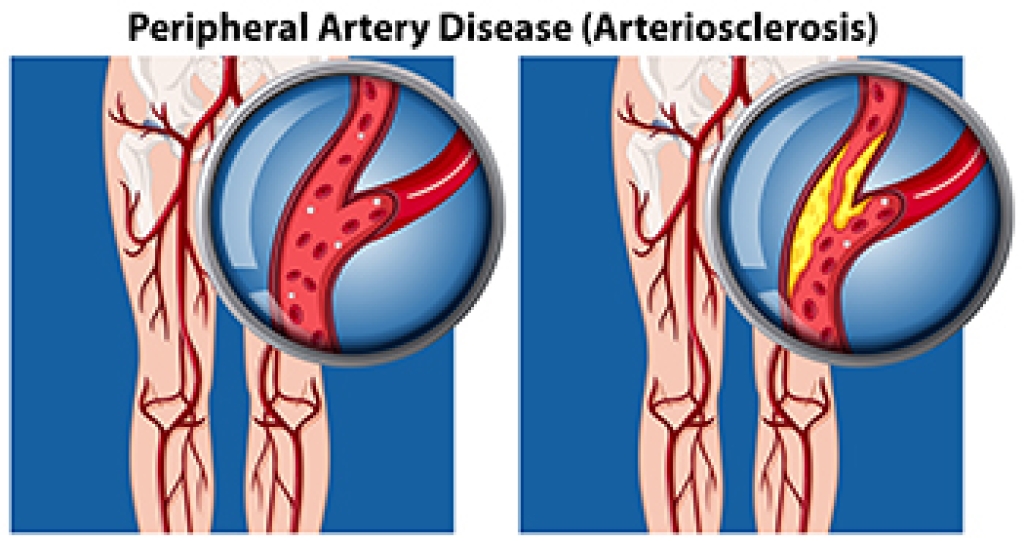
Peripheral artery disease, or PAD, develops when narrowed arteries reduce blood flow to the legs and feet. Fatty deposits inside these blood vessels are usually responsible for this narrowing. Without enough oxygen-rich blood, the feet may become painful and slow to heal. Signs include cramping in the calves when walking, cold feet, and a weak pulse in the lower legs. The skin may look pale, shiny, or bluish. Toenails can grow slowly, and hair on the feet or legs may decrease. As the condition advances, some patients also develop numbness or pain while resting.
Several factors raise the risk of developing PAD. Smoking, diabetes, and high blood pressure are major concerns. High cholesterol and older age can also increase risk. Because reduced circulation limits healing, a small blister or cut can become a serious wound. An untreated wound may develop an infection, tissue damage, or limb loss. People with diabetes face added danger because nerve damage can make an injury difficult to feel. Changes should not be ignored, even when they seem minor. A sore that does not heal, a change in skin color, or sudden foot pain requires prompt medical attention.
A podiatrist can examine the feet for circulation problems and check the skin, nails, and pulse. The examination can also identify wounds that require careful treatment. Tests that compare blood pressure at the ankle and arm can help measure blood flow. A podiatrist can clean and protect wounds, remove damaged tissue, and reduce pressure on sore areas. Regular foot examinations can help detect problems before they become severe. A medical team approach can help manage PAD and protect foot health. In severe cases, procedures or surgery may be considered to improve circulation. If you have symptoms of peripheral artery disease, it is suggested that you schedule an appointment with a podiatrist for a diagnosis and appropriate treatment.
Peripheral artery disease can pose a serious risk to your health. It can increase the risk of stroke and heart attack. If you have symptoms of peripheral artery disease, consult with Jeffrey Rosenblatt, DPM from New York. Our doctor will assess your condition and provide you with quality foot and ankle treatment.
Peripheral artery disease (PAD) is when arteries are constricted due to plaque (fatty deposits) build-up. This results in less blood flow to the legs and other extremities. The main cause of PAD is atherosclerosis, in which plaque builds up in the arteries.
Symptoms
Symptoms of PAD include:
It is important to note that a majority of individuals never show any symptoms of PAD.
Diagnosis
While PAD occurs in the legs and arteries, Podiatrists can diagnose PAD. Podiatrists utilize a test called an ankle-brachial index (ABI). An ABI test compares blood pressure in your arm to you ankle to see if any abnormality occurs. Ultrasound and imaging devices may also be used.
Treatment
Fortunately, lifestyle changes such as maintaining a healthy diet, exercising, managing cholesterol and blood sugar levels, and quitting smoking, can all treat PAD. Medications that prevent clots from occurring can be prescribed. Finally, in some cases, surgery may be recommended.
If you have any questions, please feel free to contact our office located in Brooklyn, NY . We offer the newest diagnostic and treatment technologies for all your foot care needs.

Exercise plays an important role in protecting older adults from falls and helping them stay active and independent. Regular movement improves muscle strength, balance, and flexibility, making it easier to walk with confidence and react to uneven ground. Many older adults benefit from a routine that combines endurance activities, strength training, and balance exercises. Walking, swimming, and cycling help build endurance. Light resistance exercises improve muscle strength. Balance activities, like tai chi and standing on one foot, help reduce the risk of falling. Stretching also keeps muscles and joints moving comfortably, making everyday activities easier and safer.
Good foot health is another important part of falls protection. Painful feet, numbness, poor circulation, and foot deformities can affect balance and make walking less stable. Wearing shoes that fit well and provide proper support can improve stability and reduce slipping. Shoes should match the activity being performed and provide enough room for the toes. A podiatrist examines the feet, checks for changes in sensation, and evaluates how patients walk. This examination helps identify problems that increase the risk of falling. A podiatrist also recommends custom orthotics when appropriate to improve balance and relieve pressure on painful areas. Regular foot exams help detect changes before they become more serious.
Exercise is most effective when it becomes part of a regular routine. Adults age 65 and older benefit from at least 150 minutes of moderate physical activity each week. Strength exercises should be completed at least twice each week. Balance and flexibility exercises should also be performed regularly. Staying active supports better mobility, greater confidence, and a lower risk of falls. Healthy feet make exercise safer and more comfortable, allowing people to continue enjoying daily activities. Early attention to foot problems helps prevent mobility challenges that could increase fall risk. If you have injured your foot or ankle while falling, it is suggested that you schedule an appointment with a podiatrist for diagnosis and appropriate treatment.
Preventing falls among the elderly is very important. If you are older and have fallen or fear that you are prone to falling, consult with Jeffrey Rosenblatt, DPM from New York. Our doctor will assess your condition and provide you with quality advice and care.
Every 11 seconds, an elderly American is being treated in an emergency room for a fall related injury. Falls are the leading cause of head and hip injuries for those 65 and older. Due to decreases in strength, balance, senses, and lack of awareness, elderly persons are very susceptible to falling. Thankfully, there are a number of things older persons can do to prevent falls.
How to Prevent Falls
Some effective methods that older persons can do to prevent falls include:
Falling can be a traumatic and embarrassing experience for elderly persons; this can make them less willing to leave the house, and less willing to talk to someone about their fears of falling. Doing such things, however, will increase the likelihood of tripping or losing one’s balance. Knowing the causes of falling and how to prevent them is the best way to mitigate the risk of serious injury.
If you have any questions, please feel free to contact our office located in Brooklyn, NY . We offer the newest diagnostic and treatment technologies for all your foot care needs.
Connect With Us
