
How Ankle Sprains May Affect Foot Stability and Strength

An ankle sprain, a common injury, occurs when the ligaments surrounding the ankle stretch or tear due to sudden twisting or rolling movements. While seemingly minor, neglecting proper treatment can lead to complications, notably ankle instability and diminished strength. An unstable ankle, characterized by a recurring feeling of giving way, poses risks of further injury and compromises mobility. This instability arises from weakened ligaments, which struggle to effectively support the ankle's weight-bearing function. Additionally, reduced ankle strength follows, as the muscles surrounding the ankle weaken from disuse during the recovery phase. Over time, this weakness can affect balance and movement, increasing the likelihood of future injuries. Consequently, comprehensive treatment that addresses both ligament healing and muscle strengthening is vital to restore stability and strength, ensuring optimal ankle function and minimizing the risk of recurrent sprains. If you have sprained your ankle, it is strongly suggested that you seek prompt attention from a podiatrist who can help you begin the healing process.

Ankle sprains are common but need immediate attention. If you need your feet checked, contact Jeffrey Rosenblatt, DPM from New York. Our doctor can provide the care you need to keep you pain-free and on your feet.

How Does an Ankle Sprain Occur?

Ankle sprains take place when the ligaments in your ankle are torn or stretched beyond their limits. There are multiple ways that the ankle can become injured, including twisting or rolling over onto your ankle, putting undue stress on it, or causing trauma to the ankle itself.

What Are the Symptoms?

  • Mild to moderate bruising
  • Limited mobility
  • Swelling
  • Discoloration of the skin (depending on severity)

Preventing a Sprain

  • Wearing appropriate shoes for the occasion
  • Stretching before exercises and sports
  • Knowing your limits

Treatment of a Sprain

Treatment of a sprain depends on the severity.  Many times, people are told to rest and remain off their feet completely, while others are given an air cast. If the sprain is very severe, surgery may be required.

If you have suffered an ankle sprain previously, you may want to consider additional support such as a brace and regular exercises to strengthen the ankle.

If you have any questions please feel free to contact our office located in Brooklyn, NY . We offer the newest diagnostic tools and technology to treat your foot and ankle needs.
Read more about Three Grades of Ankle Sprains

Broken Toe Causes and Treatment

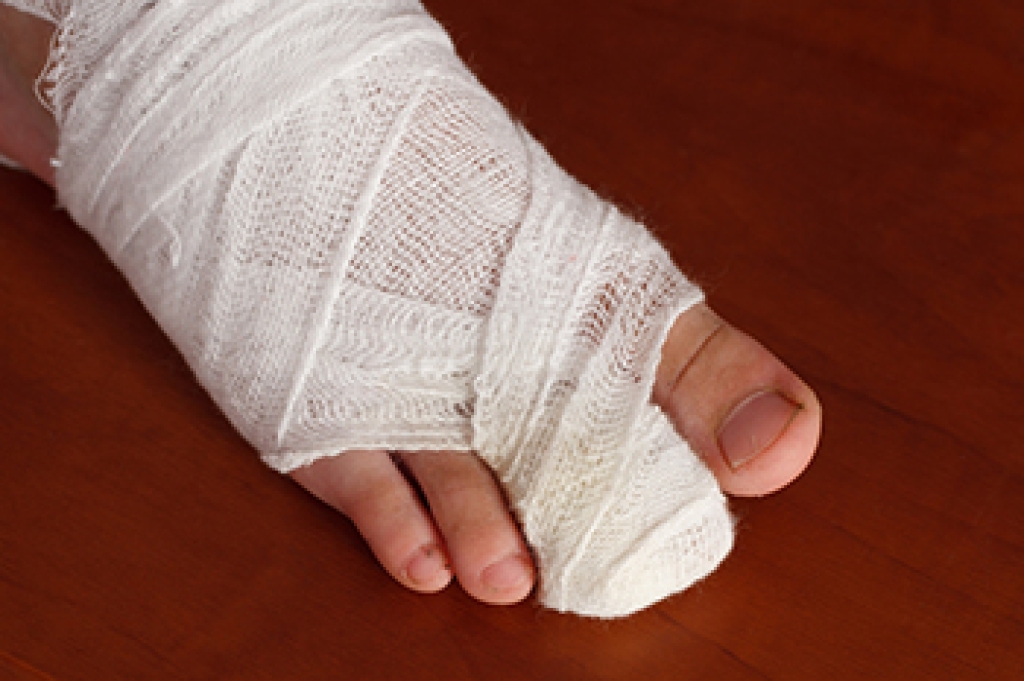
Broken toes, or toe fractures, typically occur when the toe experiences a sudden impact or pressure. This may be due to a heavy object falling on it or stubbing it against a hard surface, like furniture or steps. Symptoms of a broken toe include pain, swelling, and discoloration of the toenail because of trapped blood underneath. Fractures of the big toe potentially cause more intense pain, increased swelling, and bruising, which affects mobility. Diagnosis of a fractured toe is usually made through a physical examination by a podiatrist, often without the need for X-rays. Treatment may involve buddy taping, which is securing the injured toe to the adjacent one for support. Draining trapped blood under the toenail to help alleviate discomfort. A podiatrist also may prescribe wearing comfortable footwear or a protective boot to aid healing. In more serious cases, surgery may be required to correct the injury. For an exam, personalized guidance, and proper treatment of a broken toe, it is suggested that you schedule an appointment with a podiatrist.

A broken toe can be very painful and lead to complications if not properly fixed. If you have any concerns about your feet, contact Jeffrey Rosenblatt, DPM from New York. Our doctor will treat your foot and ankle needs.

What to Know About a Broken Toe

Although most people try to avoid foot trauma such as banging, stubbing, or dropping heavy objects on their feet, the unfortunate fact is that it is a common occurrence. Given the fact that toes are positioned in front of the feet, they typically sustain the brunt of such trauma. When trauma occurs to a toe, the result can be a painful break (fracture).

Symptoms of a Broken Toe

  • Throbbing pain
  • Swelling
  • Bruising on the skin and toenail
  • The inability to move the toe
  • Toe appears crooked or disfigured
  • Tingling or numbness in the toe

Generally, it is best to stay off of the injured toe with the affected foot elevated.

Severe toe fractures may be treated with a splint, cast, and in some cases, minor surgery. Due to its position and the pressure it endures with daily activity, future complications can occur if the big toe is not properly treated.

If you have any questions, please feel free to contact our office located in Brooklyn, NY . We offer the newest diagnostic and treatment technologies for all your foot care needs.

Read more about What to Know About a Broken Toe

Problematic Flat Feet

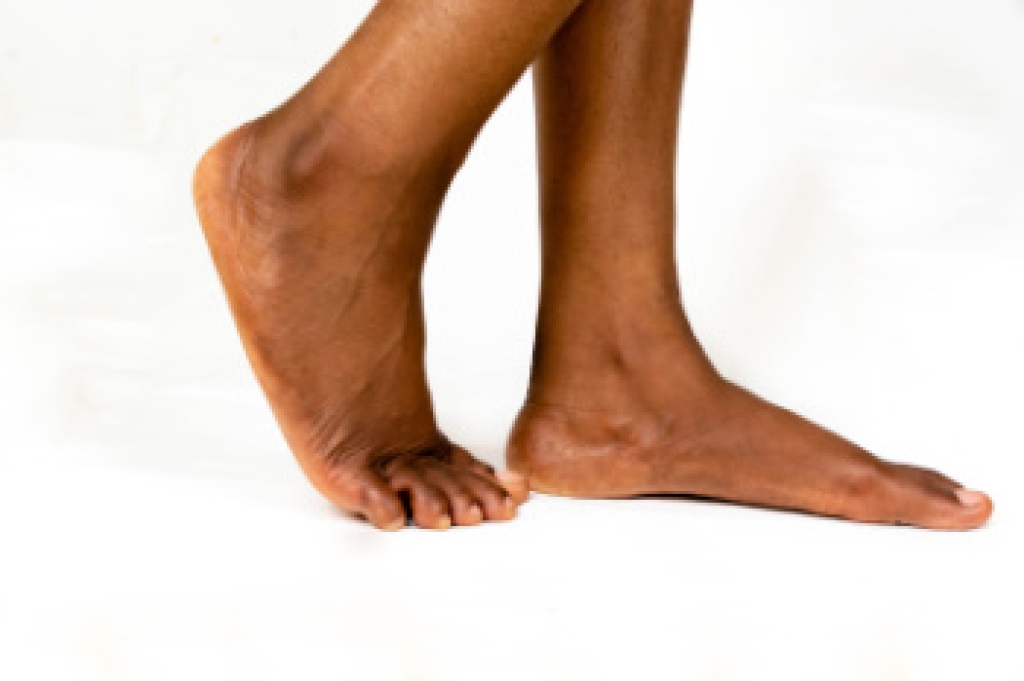
Flat feet, or pes planus, is a condition where the arch of the foot collapses, causing the entire sole to touch the ground. There are two types of flat feet. Flexible flat feet is where the arch appears when the foot is off the ground but flattens when bearing weight. Rigid flat feet is where the arch remains flattened regardless of weight-bearing. Symptoms can include pain, swelling, and fatigue in the feet, ankles, or lower legs. Causes range from genetics and aging to injury, obesity, or conditions like arthritis or diabetes. Flat feet can lead to overpronation, increasing the risk of injuries like plantar fasciitis or shin splints. Diagnosis involves physical examination and sometimes imaging tests like X-rays or CT scans. Treatment options include custom orthotic devices, supportive footwear, stretching exercises, and in severe cases, surgery. With proper management, most individuals with flat feet can lead active lives without significant limitations. If you have flat feet that are causing discomfort, it is suggested that you schedule an appointment with a podiatrist for relief options.

Flatfoot is a condition many people suffer from. If you have flat feet, contact Jeffrey Rosenblatt, DPM from New York. Our doctor will treat your foot and ankle needs.

What Are Flat Feet?

Flatfoot is a condition in which the arch of the foot is depressed and the sole of the foot is almost completely in contact with the ground. About 20-30% of the population generally has flat feet because their arches never formed during growth.

Conditions & Problems:

Having flat feet makes it difficult to run or walk because of the stress placed on the ankles.

Alignment – The general alignment of your legs can be disrupted, because the ankles move inward which can cause major discomfort.

Knees – If you have complications with your knees, flat feet can be a contributor to arthritis in that area.  

Symptoms

  • Pain around the heel or arch area
  • Trouble standing on the tip toe
  • Swelling around the inside of the ankle
  • Flat look to one or both feet
  • Having your shoes feel uneven when worn

Treatment

If you are experiencing pain and stress on the foot you may weaken the posterior tibial tendon, which runs around the inside of the ankle. 

If you have any questions, please feel free to contact our office located in Brooklyn, NY . We offer the newest diagnostic and treatment technologies for all your foot care needs.

Read more about Flatfoot

Get Professional Care for a Broken Foot or Ankle

Constant care and regular evaluation are important for a foot or ankle fracture. If left untreated, foot or ankle fractures can worsen over time and create more serious problems.

Don't wait to be examined if you believe you've experienced a foot or ankle fracture.

Facts About Posterior Heel Pain

Posterior heel pain can be caused by various conditions that can significantly impact daily life. Achilles tendinopathy, often induced by excessive mechanical loading or certain medications, results in achy or sharp pain that worsens with activity or pressure. Diagnosis of posterior heel pain involves clinical examination by a podiatrist, revealing tenderness along the tendon and sometimes visible thickening. Treatment strategies, including activity modification and specialized exercises, necessitate personalized guidance from a podiatrist. Similarly, Haglund deformity, marked by a prominence at the back of the heel, can lead to retrocalcaneal bursitis. It may require tailored interventions, such as footwear adjustments, certain medications, and in severe cases, surgery. In children between eight and 14 years old who are active in sports, pain in the heel may indicate the onset of Sever’s disease. Ceasing the activity and changing to more supportive footwear, can help. Consulting a podiatrist is essential for accurate diagnosis and effective management of posterior heel pain, as these foot doctors possess the expertise to develop a comprehensive treatment plan tailored to your needs. To regain mobility and ensure that heel pain does not impede daily activities, it is suggested that you schedule an appointment with a podiatrist. 

Many people suffer from bouts of heel pain. For more information, contact Jeffrey Rosenblatt, DPM of New York. Our doctor can provide the care you need to keep you pain-free and on your feet.

Causes of Heel Pain

Heel pain is often associated with plantar fasciitis. The plantar fascia is a band of tissues that extends along the bottom of the foot. A rip or tear in this ligament can cause inflammation of the tissue.

Achilles tendonitis is another cause of heel pain. Inflammation of the Achilles tendon will cause pain from fractures and muscle tearing. Lack of flexibility is also another symptom.

Heel spurs are another cause of pain. When the tissues of the plantar fascia undergo a great deal of stress, it can lead to ligament separation from the heel bone, causing heel spurs.

Why Might Heel Pain Occur?

  • Wearing ill-fitting shoes                
  • Wearing non-supportive shoes
  • Weight change           
  • Excessive running

Treatments

Heel pain should be treated as soon as possible for immediate results. Keeping your feet in a stress-free environment will help. If you suffer from Achilles tendonitis or plantar fasciitis, applying ice will reduce the swelling. Stretching before an exercise like running will help the muscles. Using all these tips will help make heel pain a condition of the past.

If you have any questions, please feel free to contact our office located in Brooklyn, NY . We offer the newest diagnostic and treatment technologies for all your foot care needs.

Read more about Heel Pain

Connect With Us

Book Online