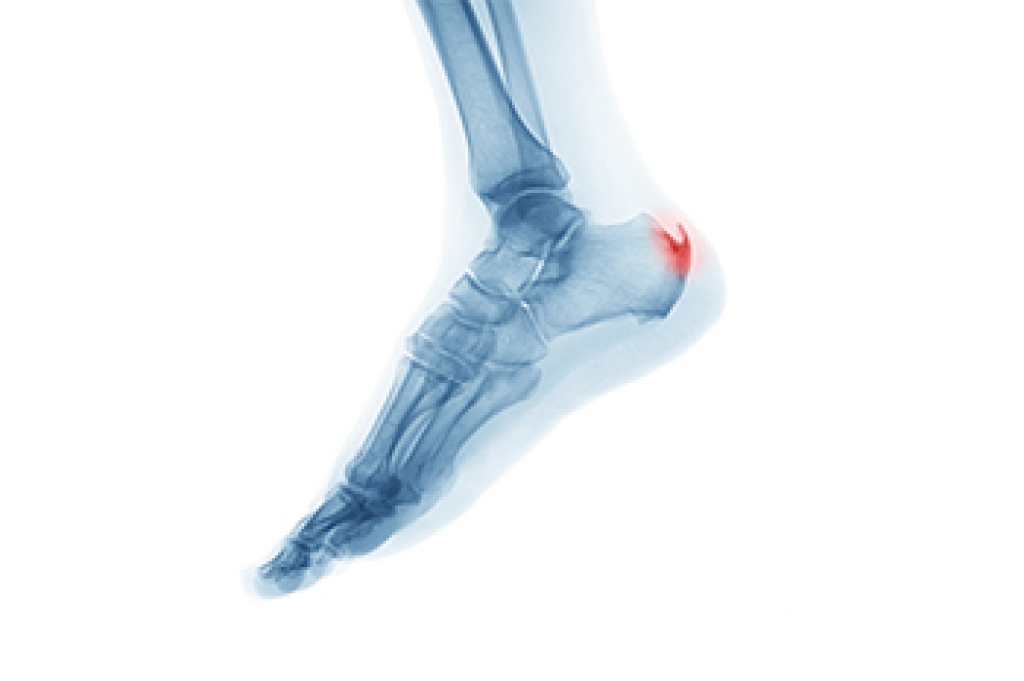
Treatment for Bone Spurs on the Feet

A bone spur, or osteophyte, is an extra growth onto a bone. Spurs can grow on several parts of the feet, including on top of the midfoot, on the back of the heel, or on the toe. Other bone spurs grow under the heel in conjunction with plantar fasciitis. Many people live with bone spurs and feel no pain. Surgical treatment is one way of permanently dealing with painful bone spurs. With a midfoot bump, the spur is removed from both sides of the joint involved. A surgical shoe will be needed for a few weeks after, but you can bear weight right after surgery. For a spur in the back of the heel, the spur will be removed and any damage to the Achilles tendon will be repaired. A cast and crutches will be needed for a few weeks to avoid putting weight on the foot. With a spur on the toe, a small incision will be made before the filing down of the spur with a type of rasp. The site will be bandaged and a surgical shoe may be provided, but weight bearing is OK. For help with painful bone spurs, it is wise to consult with a podiatrist for the right treatment options.

Foot Pain

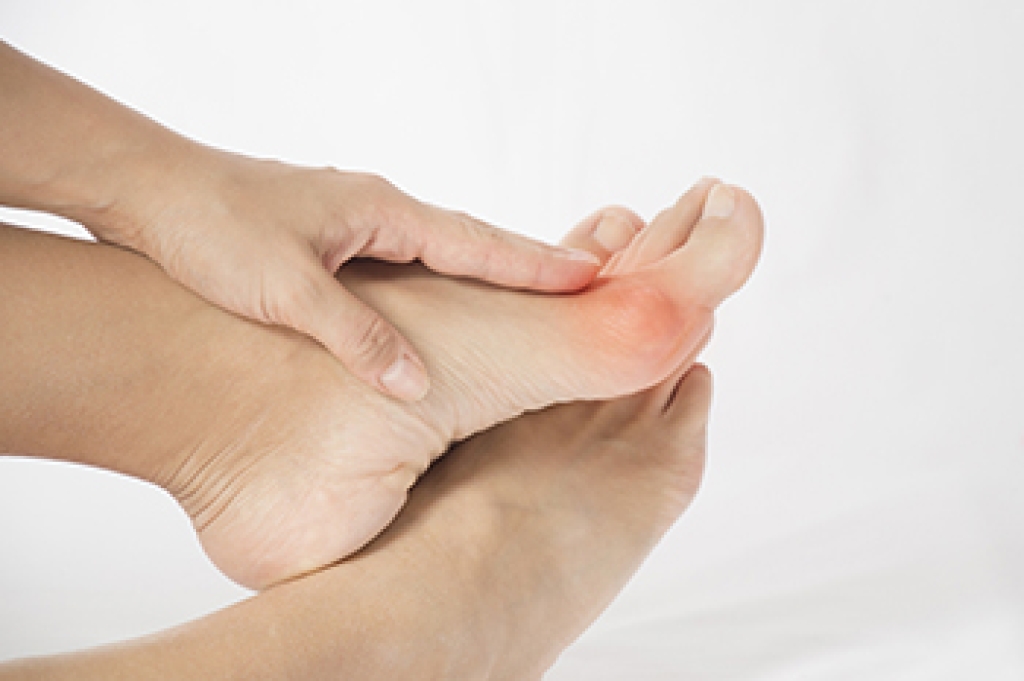
Foot pain can be extremely painful and debilitating. If you have a foot pain, consult with Jeffrey Rosenblatt, DPM from New York. Our doctor will assess your condition and provide you with quality foot and ankle treatment.

Causes

Foot pain is a very broad condition that could be caused by one or more ailments. The most common include:

  • Bunions
  • Hammertoes
  • Plantar Fasciitis
  • Bone Spurs
  • Corns
  • Tarsal Tunnel Syndrome
  • Ingrown Toenails
  • Arthritis (such as Gout, Rheumatoid, and Osteoarthritis)
  • Flat Feet
  • Injury (from stress fractures, broken toe, foot, ankle, Achilles tendon ruptures, and sprains)
  • And more

Diagnosis

To figure out the cause of foot pain, podiatrists utilize several different methods. This can range from simple visual inspections and sensation tests to X-rays and MRI scans. Prior medical history, family medical history, and any recent physical traumatic events will all be taken into consideration for a proper diagnosis.

Treatment

Treatment depends upon the cause of the foot pain. Whether it is resting, staying off the foot, or having surgery; podiatrists have a number of treatment options available for foot pain.

If you have any questions, please feel free to contact our office located in Brooklyn, NY . We offer the newest diagnostic and treatment technologies for all your foot care needs.
Read more about Foot Pain

Shoes for Bunions

Bunions can develop in an individual when the big toe joint shifts out of alignment causing a bony protrusion to grow at the big toe base. Alternatively, smaller bunions, called bunionettes, may form on the side of the pinky-toe base. If you have developed bunions, a medical professional might recommend that you begin wearing shoes that are more bunion friendly. For example, instead of wearing tight, restrictive shoes, you might wear shoes with more space. Sometimes, an individual with bunions will purchase a shoe size that is a half-size larger than what they would normally wear to provide the toes with extra space and breathability. This added space might even allow the patient to wear certain orthotics. If you have a bunion, contact a podiatrist today for more information about the right footwear you should be wearing, as well as the different treatments available, to ward off this painful ailment.

If you are suffering from bunions, contact Jeffrey Rosenblatt, DPM of New York. Our doctor can provide the care you need to keep you pain-free and on your feet.

What Is a Bunion?

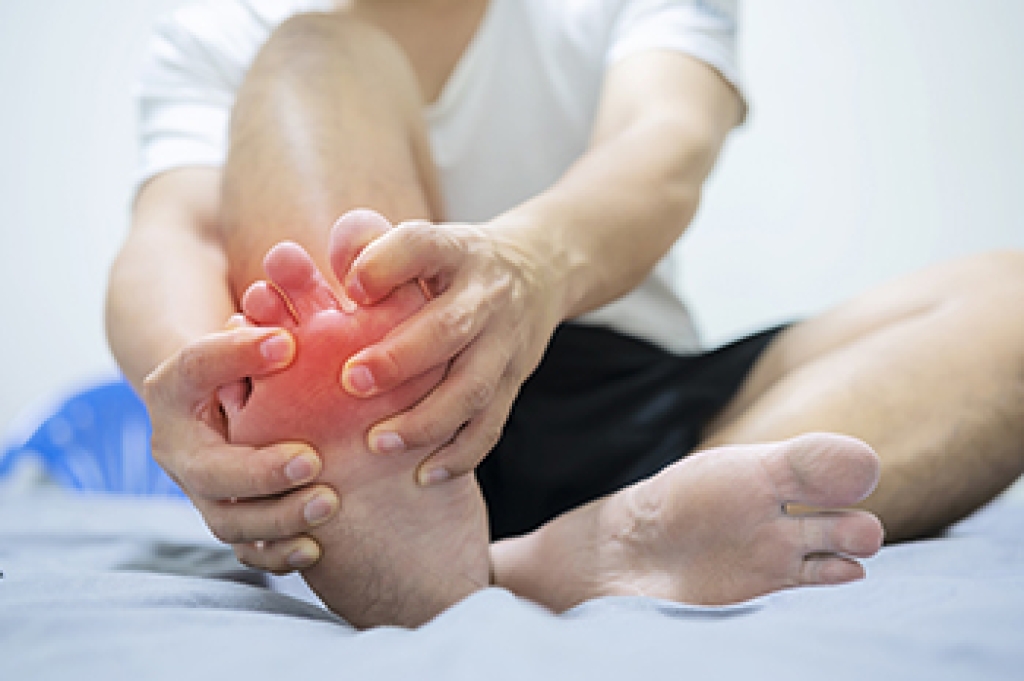
A bunion is formed of swollen tissue or an enlargement of boney growth, usually located at the base joint of the toe that connects to the foot. The swelling occurs due to the bones in the big toe shifting inward, which impacts the other toes of the foot. This causes the area around the base of the big toe to become inflamed and painful.

Why Do Bunions Form?

Genetics – Susceptibility to bunions are often hereditary

Stress on the feet – Poorly fitted and uncomfortable footwear that places stress on feet, such as heels, can worsen existing bunions

How Are Bunions Diagnosed?

Doctors often perform two tests – blood tests and x-rays – when trying to diagnose bunions, especially in the early stages of development. Blood tests help determine if the foot pain is being caused by something else, such as arthritis, while x-rays provide a clear picture of your bone structure to your doctor.

How Are Bunions Treated?

  • Refrain from wearing heels or similar shoes that cause discomfort
  • Select wider shoes that can provide more comfort and reduce pain
  • Anti-inflammatory and pain management drugs
  • Orthotics or foot inserts
  • Surgery

If you have any questions, please feel free to contact our office located in Brooklyn, NY . We offer the newest diagnostic and treatment technologies for all your foot care needs.
Read more about Bunions

Rare Foot Conditions and Arches

The function of the feet is to provide balance and mobility to the body. This may be compromised when there are existing foot deformities. When the feet are positioned incorrectly, it may cause the body to move out of alignment and prompt medical attention is often sought. Incorrect foot positioning may be one of the first signs that specific foot conditions are developing and many of them have to do with an abnormal arch. Skew foot can happen when the arch loses its original position and this can occur from having unstable tendons and ligaments. Flat feet, which are also known as fallen arches, can produce pain and discomfort. It is noticeable as the inside of the foot is lower than the rest of the foot. Additionally, many children are pigeon-toed which forces the feet to point inward. Research has shown this condition is typically easy to correct. If you would like more information about various rare foot conditions, please consult with a podiatrist who can provide you with the information you seek.

Some foot conditions may require additional professional care. If you have any concerns, contact Jeffrey Rosenblatt, DPM of New York. Our doctor can provide the care you need to keep you pain-free and on your feet.

Rare Foot Conditions

The majority of foot conditions are common and can be treated by a podiatrist.  Standard diagnostic procedures are generally used to identify specific conditions and treatment can be rendered. A podiatrist also treats rare foot conditions which can be difficult to diagnose and may need extra attention and care. 

There are many rare foot conditions that can affect children. Some of these can include:

  • Freiberg’s disease
  • Kohler’s disease
  • Maffucci syndrome

Freiberg’s disease - This can be seen as a deterioration and flattening of a metatarsal bone that exists in the ball of the foot. It typically affects pre-teen and teenage girls, but can affect anyone at any age. Symptoms that can accompany this can be swelling, stiffness, and the patient may limp. 

Kohler’s disease - This often targets the bone in the arch of the foot and affects younger boys. It can lead to an interruption of the blood supply which ultimately can lead to bone deterioration. The patient may limp or experience tenderness, swelling, and redness.

Maffucci syndrome - This affects the long bones in a child’s foot leading to the development of abnormal bone lesions. They are benign growths and typically develop in early childhood and the bones may be susceptible to breaking. 

A podiatrist can properly diagnose and treat all types of rare foot conditions. If your child is affected by any of these symptoms or conditions, please don’t hesitate to call our office so the correct treatment method can begin.

If you have any questions, please feel free to contact our office located in Brooklyn, NY . We offer the newest diagnostic and treatment technologies for all your foot care needs.

Read more about Rare Foot Conditions

Excess Uric Acid, Crystals, and Gout

When uric acid amounts in the blood rise to an elevated level, it may produce a foot condition that is known as gout. It can develop into crystals that lodge in the joints of the big toe, and can cause debilitating pain. Gout is considered to be a form of arthritis, and swelling, heat, and redness can be symptoms that can accompany this foot condition. It can be caused by genetics or from eating foods that have large amounts of purines. These can include shellfish, red meat, and drinks that are made with excessive amounts of sugar. Most gout patients are under the care of a podiatrist who can extract a sample of the crystals that lie in the joints to obtain a proper diagnosis. Some patients need to have an X-ray or a CT scan performed to confirm the findings. Effective methods that may help to prevent gout can include consuming a healthy diet daily, drinking plenty of water, and engaging in an exercise routine. Gout attacks can happen frequently, and it is strongly advised that a podiatrist be contacted as quickly as possible who can help you to manage this uncomfortable foot condition. 

Gout is a foot condition that requires certain treatment and care. If you are seeking treatment, contact Jeffrey Rosenblatt, DPM from New York. Our doctor will treat your foot and ankle needs.

What Is Gout?

Gout is a type of arthritis caused by a buildup of uric acid in the bloodstream. It often develops in the foot, especially the big toe area, although it can manifest in other parts of the body as well. Gout can make walking and standing very painful and is especially common in diabetics and the obese.

People typically get gout because of a poor diet. Genetic predisposition is also a factor. The children of parents who have had gout frequently have a chance of developing it themselves.

Gout can easily be identified by redness and inflammation of the big toe and the surrounding areas of the foot. Other symptoms include extreme fatigue, joint pain, and running high fevers. Sometimes corticosteroid drugs can be prescribed to treat gout, but the best way to combat this disease is to get more exercise and eat a better diet.

If you have any questions, please feel free to contact our office located in Brooklyn, NY . We offer the newest diagnostic and treatment technologies for all your foot care needs.

Read more about Everything You Need to Know About Gout

Are You Suffering From Nerve Damage?

Neuropathy is a condition that can lead to numbness or loss of sensation in the feet, but it can also cause pain. This condition is more likely to develop for those who are diabetic, obese, or with high blood pressure.

Connect With Us

Book Online