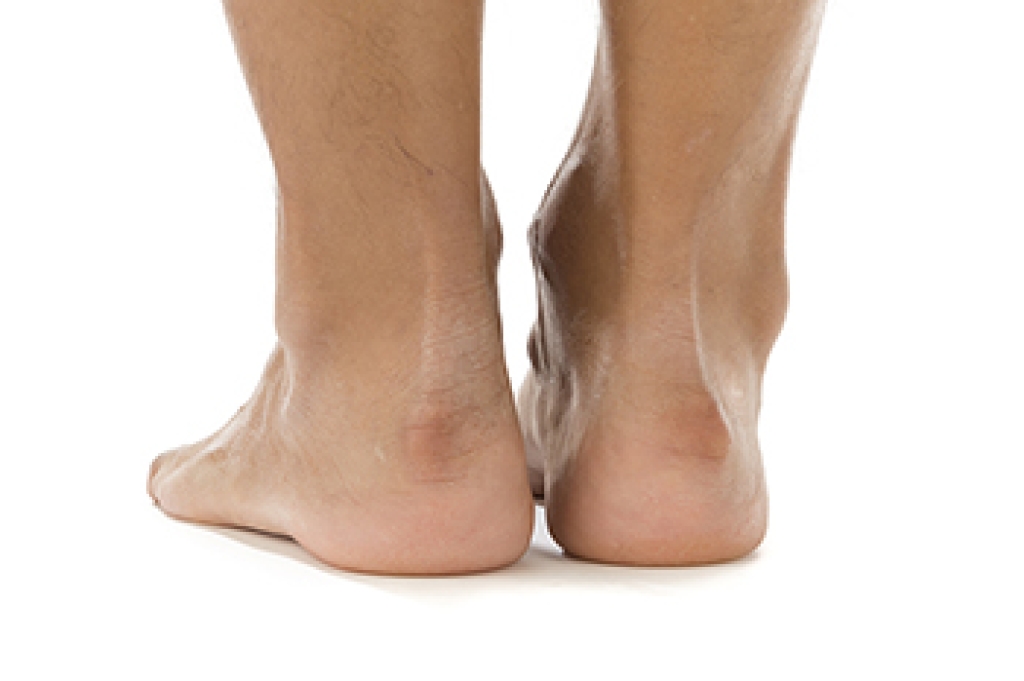
Risks and Complications of Broken Ankles

A broken ankle is more than just a simple fracture. Without proper treatment, it can lead to long-term problems that affect mobility and quality of life. One possible complication is poor bone healing, which can result in chronic pain or joint instability. Damage to surrounding ligaments, tendons, or blood vessels may also occur, increasing recovery time and impacting function. Infections can develop after surgery or when the skin around the injury is damaged. Arthritis in the ankle joint is another potential long-term outcome, especially if the break involves the joint surface. Early and accurate treatment is essential to reduce these risks and promote full recovery. If you have suffered an ankle fracture or continue to experience pain and swelling after an injury, it is suggested you consult a podiatrist for appropriate care.

Broken ankles need immediate treatment. If you are seeking treatment, contact Jeffrey Rosenblatt, DPM from New York. Our doctor can provide the care you need to keep you pain-free and on your feet. 

Broken Ankles
A broken ankle is experienced when a person fractures their tibia or fibula in the lower leg and ankle area. Both of these bones are attached at the bottom of the leg and combine to form what we know to be our ankle.

When a physician is referring to a break of the ankle, he or she is usually referring to a break in the area where the tibia and fibula are joined to create our ankle joint. Ankles are more prone to fractures because the ankle is an area that suffers a lot of pressure and stress. There are some obvious signs when a person experiences a fractured ankle, and the following symptoms may be present.

Symptoms of a Fractured Ankle

  • Excessive pain when the area is touched or when any pressure is placed on the ankle
  • Swelling around the area
  • Bruising of the area
  • Area appears to be deformed

If you suspect an ankle fracture, it is recommended to seek treatment as soon as possible. The sooner you have your podiatrist diagnose the fracture, the quicker you’ll be on the way towards recovery.

If you have any questions, please feel free to contact our office located in Brooklyn, NY . We offer the newest diagnostic and treatment technologies for all your foot care needs.


Read more about All About Broken Ankles

Causes of Ankle Pain From Running

Ankle pain from running can result from several foot and ankle conditions. Repeated impact and overuse may lead to strained muscles or sprained ligaments, especially if the foot lands awkwardly during a run. Stress fractures can occur when small cracks form in ankle bones due to constant pounding on hard surfaces. Tendonitis is another cause of ankle pain, affecting the peroneal, posterior tibial, or Achilles tendons. This condition may be due to improper form, poor footwear, or overtraining. Some runners also develop arthritis in the ankle joint, leading to stiffness, swelling, and pain during motion. Biomechanical issues, such as weak ankles or overpronation, may cause instability and increase the risk of recurring injury. A podiatrist can assess foot structure, gait mechanics, and joint function to determine the cause of ankle pain.  Treatment options include custom orthotics, bracing, or in some cases, surgery. If you are experiencing ankle pain from running, it is suggested that you make an appointment with a podiatrist for an exam, a diagnosis, and treatment.

Ankle pain can have many different causes and the pain may potentially be serious. If you have ankle pain, consult with Jeffrey Rosenblatt, DPM from New York. Our doctor will assess your condition and provide you with quality foot and ankle treatment.

Ankle pain is any condition that causes pain in the ankle. Due to the fact that the ankle consists of tendons, muscles, bones, and ligaments, ankle pain can come from a number of different conditions.

Causes

The most common causes of ankle pain include:

  • Types of arthritis (rheumatoid, osteoarthritis, and gout)
  • Ankle sprains
  • Broken ankles
  • Achilles tendinitis
  • Achilles tendon rupture
  • Stress fractures
  • Tarsal tunnel syndrome
  • Plantar fasciitis

Symptoms

Symptoms of ankle injury vary based upon the condition. Pain may include general pain and discomfort, swelling, aching, redness, bruising, burning or stabbing sensations, and/or loss of sensation.

Diagnosis

Due to the wide variety of potential causes of ankle pain, podiatrists will utilize a number of different methods to properly diagnose ankle pain. This can include asking for personal and family medical histories and of any recent injuries. Further diagnosis may include sensation tests, a physical examination, and potentially x-rays or other imaging tests.

Treatment

Just as the range of causes varies widely, so do treatments. Some more common treatments are rest, ice packs, keeping pressure off the foot, orthotics and braces, medication for inflammation and pain, and surgery.

If you have any questions please feel free to contact our office located in Brooklyn, NY . We offer the newest diagnostic tools and technology to treat your foot and ankle needs.

Read more about Ankle Pain

Recognizing When Swelling in Your Feet and Ankles Is Serious

It is common to experience occasional swelling in your feet and ankles, especially after standing or walking for long periods of time. Often, this swelling results from fluid retention and resolves with rest and elevation. However, persistent or sudden swelling may signal a more serious concern. When swelling is accompanied by pain, redness, warmth, or difficulty walking, it could indicate a medical condition requiring prompt care. Blood clots, infections, heart problems, kidney issues, or venous insufficiency are possible causes that should not be ignored. Swelling that affects only one leg, worsens throughout the day, or appears without a clear reason should raise concern. People with diabetes, heart disease, or circulation problems should monitor swelling closely, as they are at a higher risk for complications. If swelling limits your daily activities or causes discomfort, it is suggested you schedule a visit with a podiatrist for a proper diagnosis and appropriate treatment.

Swollen feet can be a sign of an underlying condition. If you have any concerns, contact Jeffrey Rosenblatt, DPM of New York. Our doctor can provide the care you need to keep you pain-free and on your feet.

Swollen feet are a common ailment among pregnant women and people who stand or sit for extended periods. Aging may increase the possibility of swollen feet and patients who are obese often notice when their feet are swelling too. There may be medical reasons why swollen feet occur:

  • Phlebitis - A condition that causes the veins to become inflamed and can also cause leg pain.
  • Liver disease - This may lead to low blood levels of albumin which is a protein. This can cause fluid in the blood to pass into the tissues and several areas of the body can become swollen.
  • Heart failure - When the heart doesn’t pump properly the blood that is normally pumped back to the heart can pool in the veins of the legs causing swollen feet.
  • Kidney disease - One of the main functions of the kidneys is releasing excess fluid in the body. This type of condition can make it difficult for the kidneys to function properly, and as a result the feet may become swollen.
  • Deep-vein thrombosis (DVT)- This is a serious condition where blood clots form in the veins of the legs. They can block the return of blood from the legs to the heart which may cause the feet to swell. It is important to be treated by a podiatrist if this condition is present.

Swollen feet can also be caused by bone and tendon conditions, including fractures, arthritis, and tendinitis. Additionally, there may be skin and toenail conditions and an infection may cause the feet to swell. Patients who take medicine to treat high blood pressure may be prone to getting swollen feet. 

Many patients elevate their feet to help relieve the swelling and this is generally a temporary remedy. When a podiatrist is consulted the reason behind the swelling can be uncovered and subsequently treated.

If you have any questions please contact our office located in Brooklyn, NY . We offer the newest diagnostic and treatment technologies for all your foot and ankle needs.

Read more about Swelling of the Feet

Risk Factors for a Bump on the Heel

Haglund’s deformity, also termed pump bump, refers to a bony enlargement on the back of the heel bone, where the Achilles tendon attaches. Haglund's deformity often leads to heel pain, swelling, and redness in the area, especially when the enlarged bone rubs against tight or rigid shoes. People with high arches, tight Achilles tendons, or a tendency to walk on the outside of their heels may be at a greater risk of developing this problem. It is also seen in runners and people who wear shoes with stiff heel counters, which are designed to hold the heel in place and help maintain the shoe’s shape. A podiatrist can examine the heel and use X-rays or ultrasound imaging to confirm the diagnosis and recommend treatment. In advanced cases, surgery may be needed. If you are experiencing this type of heel pain, it is suggested that you schedule an appointment with a podiatrist to determine the cause and receive appropriate treatment.

Many people suffer from bouts of heel pain. For more information, contact Jeffrey Rosenblatt, DPM of New York. Our doctor can provide the care you need to keep you pain-free and on your feet.

Causes of Heel Pain

Heel pain is often associated with plantar fasciitis. The plantar fascia is a band of tissues that extends along the bottom of the foot. A rip or tear in this ligament can cause inflammation of the tissue.

Achilles tendonitis is another cause of heel pain. Inflammation of the Achilles tendon will cause pain from fractures and muscle tearing. Lack of flexibility is also another symptom.

Heel spurs are another cause of pain. When the tissues of the plantar fascia undergo a great deal of stress, it can lead to ligament separation from the heel bone, causing heel spurs.

Why Might Heel Pain Occur?

  • Wearing ill-fitting shoes                
  • Wearing non-supportive shoes
  • Weight change           
  • Excessive running

Treatments

Heel pain should be treated as soon as possible for immediate results. Keeping your feet in a stress-free environment will help. If you suffer from Achilles tendonitis or plantar fasciitis, applying ice will reduce the swelling. Stretching before an exercise like running will help the muscles. Using all these tips will help make heel pain a condition of the past.

If you have any questions, please feel free to contact our office located in Brooklyn, NY . We offer the newest diagnostic and treatment technologies for all your foot care needs.

Read more about Heel Pain

Connect With Us

Book Online