Gout and Why the Big Toe Often Suffers First

Gout is a painful form of arthritis caused by the buildup of uric acid crystals in the joints. It often leads to sudden swelling, redness, and intense pain, commonly affecting the big toe. Risk factors include genetics, obesity, a diet high in red meat or alcohol, and certain medical conditions. The big toe is especially vulnerable because it is a cooler area of the body where uric acid crystals are more likely to form. A podiatrist can diagnose gout, manage inflammation, and recommend lifestyle changes to prevent future flare-ups. If you have severe pain in your big toe, it is suggested that you are under the care of a podiatrist who can help you to manage this painful condition.

Gout is a foot condition that requires certain treatment and care. If you are seeking treatment, contact Jeffrey Rosenblatt, DPM from New York. Our doctor will treat your foot and ankle needs.

What Is Gout?

Gout is a type of arthritis caused by a buildup of uric acid in the bloodstream. It often develops in the foot, especially the big toe area, although it can manifest in other parts of the body as well. Gout can make walking and standing very painful and is especially common in diabetics and the obese.

People typically get gout because of a poor diet. Genetic predisposition is also a factor. The children of parents who have had gout frequently have a chance of developing it themselves.

Gout can easily be identified by redness and inflammation of the big toe and the surrounding areas of the foot. Other symptoms include extreme fatigue, joint pain, and running high fevers. Sometimes corticosteroid drugs can be prescribed to treat gout, but the best way to combat this disease is to get more exercise and eat a better diet.

If you have any questions, please feel free to contact our office located in Brooklyn, NY . We offer the newest diagnostic and treatment technologies for all your foot care needs.

Read more about Everything You Need to Know About Gout

What Bottom of Foot Pain Could Be Telling You

Pain on the bottom of the foot can be caused by plantar fasciitis, metatarsalgia, or peripheral neuropathy. Plantar fasciitis involves inflammation of the band of tissue along the arch, causing sharp heel pain, especially in the morning. Metatarsalgia affects the ball of the foot and may feel like a burning or aching sensation worsened by standing or walking. Peripheral neuropathy, often linked to diabetes or nerve damage, can cause tingling, numbness, or shooting pain in the soles of the feet. Each condition appears differently, but all can significantly impact mobility and quality of life. A podiatrist can perform a thorough evaluation, including a physical exam, gait analysis, and imaging if needed, to determine the cause. Treatment may involve custom orthotics, stretching exercises, footwear changes, medications, or specialized therapies. Addressing foot pain early can prevent long-term discomfort and complications. To find lasting relief, it is suggested that you make an appointment with a podiatrist.

Foot Pain

Foot pain can be extremely painful and debilitating. If you have a foot pain, consult with Jeffrey Rosenblatt, DPM from New York. Our doctor will assess your condition and provide you with quality foot and ankle treatment.

Causes

Foot pain is a very broad condition that could be caused by one or more ailments. The most common include:

  • Bunions
  • Hammertoes
  • Plantar Fasciitis
  • Bone Spurs
  • Corns
  • Tarsal Tunnel Syndrome
  • Ingrown Toenails
  • Arthritis (such as Gout, Rheumatoid, and Osteoarthritis)
  • Flat Feet
  • Injury (from stress fractures, broken toe, foot, ankle, Achilles tendon ruptures, and sprains)
  • And more

Diagnosis

To figure out the cause of foot pain, podiatrists utilize several different methods. This can range from simple visual inspections and sensation tests to X-rays and MRI scans. Prior medical history, family medical history, and any recent physical traumatic events will all be taken into consideration for a proper diagnosis.

Treatment

Treatment depends upon the cause of the foot pain. Whether it is resting, staying off the foot, or having surgery; podiatrists have a number of treatment options available for foot pain.

If you have any questions, please feel free to contact our office located in Brooklyn, NY . We offer the newest diagnostic and treatment technologies for all your foot care needs.

Read more about Foot Pain

What Is Morton’s Neuroma?

Morton’s Neuroma—otherwise known as Morton’s metatarsalgia, Morton’s disease and Morton’s neuralgia, is a swollen, non-cancerous growth of nerve tissue that usually clusters between the third and fourth toes. This can cause a good deal of pain, particularly in the ball of the foot. Other symptoms include a burning, tingling, or numbness in the toes, pain while curling the toes, and the sensation of having a pebble in the bottom of your shoe by the ball of the foot. Possible causes of this ailment may consist of wearing high heels regularly and participating in certain sporting activities for extended periods of time. If you are experiencing this kind of pain in the ball of your foot, a podiatrist can examine you and run a series of tests to determine your nerve response and foot function. Treatment methods range from orthotics to injection therapies, and in severe cases surgery may be necessary. It is suggested that you visit a podiatrist as soon as possible if you experience any of the symptoms mentioned.

Morton’s neuroma is a very uncomfortable condition to live with. If you think you have Morton’s neuroma, contact Jeffrey Rosenblatt, DPM of New York. Our doctor will attend to all of your foot care needs and answer any of your related questions.  

Morton’s Neuroma

Morton's neuroma is a painful foot condition that commonly affects the areas between the second and third or third and fourth toe, although other areas of the foot are also susceptible. Morton’s neuroma is caused by an inflamed nerve in the foot that is being squeezed and aggravated by surrounding bones.

What Increases the Chances of Having Morton’s Neuroma?

  • Ill-fitting high heels or shoes that add pressure to the toe or foot
  • Jogging, running or any sport that involves constant impact to the foot
  • Flat feet, bunions, and any other foot deformities

Morton’s neuroma is a very treatable condition. Orthotics and shoe inserts can often be used to alleviate the pain on the forefront of the feet. In more severe cases, corticosteroids can also be prescribed. In order to figure out the best treatment for your neuroma, it’s recommended to seek the care of a podiatrist who can diagnose your condition and provide different treatment options.

If you have any questions, please feel free to contact our office located in Brooklyn, NY . We offer the newest diagnostic and treatment technologies for all your foot care needs.
Read more about Morton's Neuroma

Heel Pain Can Be Treated!

Do you suffer from heel pain when you get up in the morning? If so, you should seek professional help and have a proper diagnosis performed. Heel pain can be caused by several different foot-related conditions.

How Does a Blister Form?

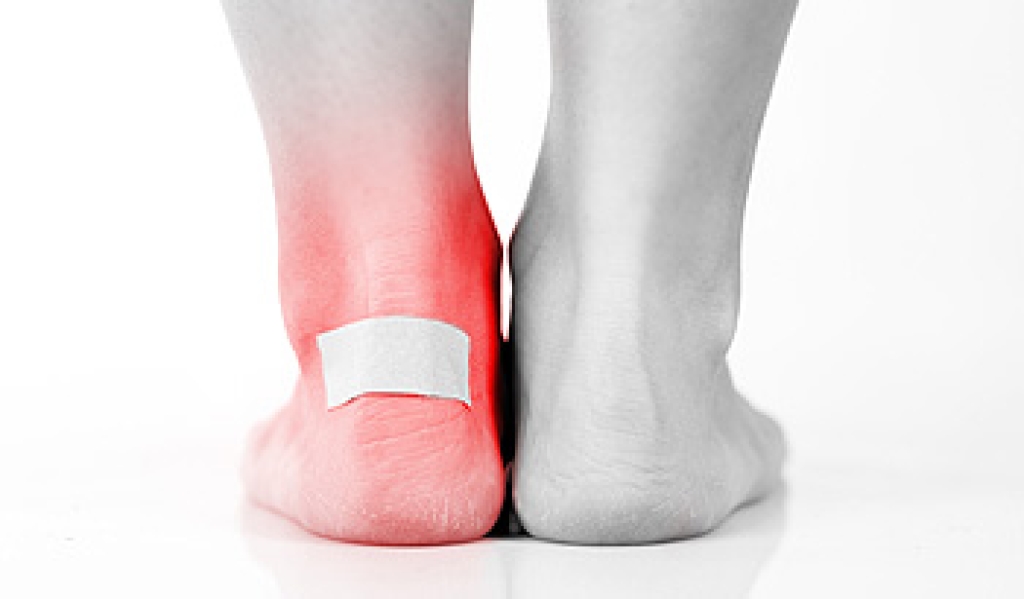
Blisters that develop on the feet can make it difficult to walk and complete daily activities. When the skin is irritated, the body’s natural healing response is to protect the damaged area by forming a small bubble over it that is filled with fluid. As new skin develops, the blister will gradually drain, and is no longer needed. Blisters generally develop from excess friction that is caused by wearing shoes or socks that do not fit correctly. Additional reasons why they can form can come from existing medical conditions such as psoriasis and eczema. Effective prevention techniques can include wearing comfortable shoes, checking the feet for signs of rubbing, and removing the shoes if discomfort is felt. If you would like additional information about how to treat and prevent blisters, please consult with a podiatrist.

Blisters are prone to making everyday activities extremely uncomfortable. If your feet are hurting, contact Jeffrey Rosenblatt, DPM of New York. Our doctor can provide the care you need to keep you pain-free and on your feet.

Foot Blisters

Foot blisters develop as a result of constantly wearing tight or ill-fitting footwear. This happens due to the constant rubbing from the shoe, which can often lead to pain.

What Are Foot Blisters?

A foot blister is a small fluid-filled pocket that forms on the upper-most layer of the skin. Blisters are filled with clear fluid and can lead to blood drainage or pus if the area becomes infected.

How Do Blisters Form?

Blisters on the feet are often the result of constant friction of skin and material, usually by shoe rubbing. Walking in sandals, boots, or shoes that don’t fit properly for long periods of time can result in a blister. Having consistent foot moisture and humidity can easily lead to blister formation.

Prevention & Treatment

It is important to properly care for the affected area in order to prevent infection and ease the pain. Do not lance the blister and use a Band-Aid to provide pain relief. Also, be sure to keep your feet dry and wear proper fitting shoes. If you see blood or pus in a blister, seek assistance from a podiatrist.

If you have any questions, please feel free to contact our office located in Brooklyn, NY . We offer the newest diagnostic and treatment technologies for all your foot care needs.

Read more about Blisters on the Feet

Connect With Us

Book Online