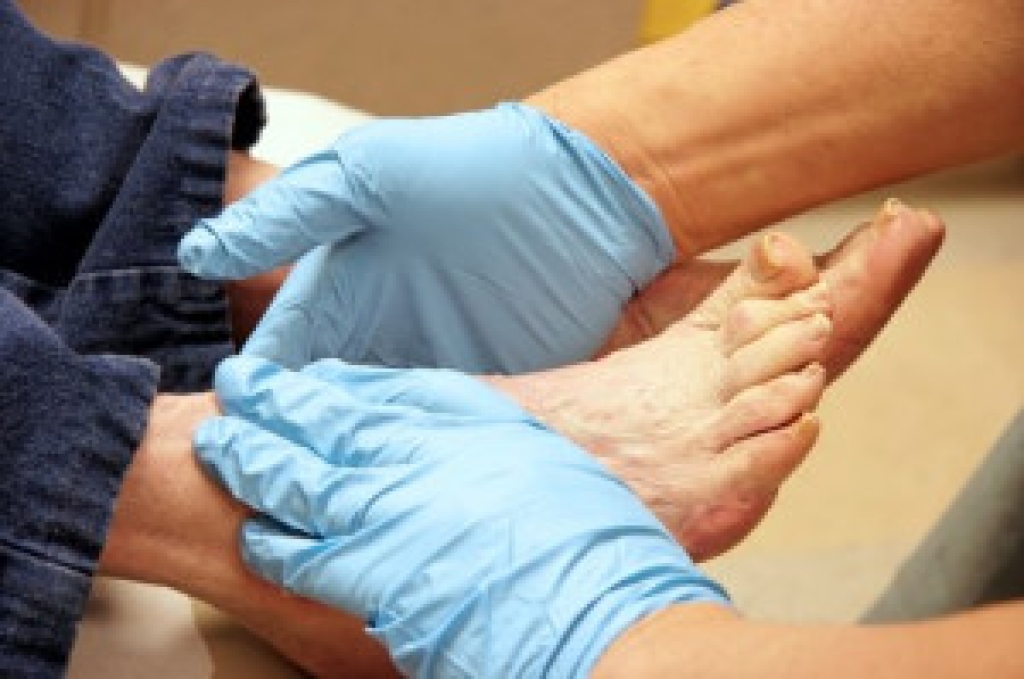
Foot Health Tips for Diabetics

Since diabetes can cause side effects that negatively affect the feet, experts believe that a regular foot care routine can be helpful. One major foot problem experienced by diabetics is nerve damage. This can cause weakness, numbness, and pain in the feet and toes. In addition, nerve damage, or neuropathy, makes it difficult for the diabetic to feel sores, cuts, or blisters.  The danger is that wounds that are slow to heal invite infection, which may quickly develop into skin ulcers on the feet. Here are some tips for diabetic foot care suggested by professionals. Above all, do a daily check of your feet, including the soles, for any cuts, sores, or other abnormalities. Avoid walking barefoot, as an open or undetected cut may be vulnerable to fungal or bacterial infection. Keep your feet clean and carefully dried, especially between the toes. Give up smoking, and keep toenails trimmed straight across. For more help with foot pain or other problems that can stem from diabetes, please consult a podiatrist regularly for checkups and treatment options.

Diabetic foot care is important in preventing foot ailments such as ulcers. If you are suffering from diabetes or have any other concerns about your feet, contact Jeffrey Rosenblatt, DPM from New York. Our doctor can provide the care you need to keep you pain-free and on your feet.

Diabetic Foot Care

Diabetes affects millions of people every year. The condition can damage blood vessels in many parts of the body, especially the feet. Because of this, taking care of your feet is essential if you have diabetes, and having a podiatrist help monitor your foot health is highly recommended.

The Importance of Caring for Your Feet

  • Routinely inspect your feet for bruises or sores.
  • Wear socks that fit your feet comfortably.
  • Wear comfortable shoes that provide adequate support.

Patients with diabetes should have their doctor monitor their blood levels, as blood sugar levels play such a huge role in diabetic care. Monitoring these levels on a regular basis is highly advised.

It is always best to inform your healthcare professional of any concerns you may have regarding your feet, especially for diabetic patients. Early treatment and routine foot examinations are keys to maintaining proper health, especially because severe complications can arise if proper treatment is not applied.

If you have any questions, please feel free to contact our office located in Brooklyn, NY . We offer the newest diagnostic and treatment technologies for all your foot care needs.

Read more about How to Care for Diabetic Foot

Drinking Water May Help to Prevent Swollen Feet

A common symptom among pregnant women is swollen feet. It may become worse during the warmer months, and can worsen as the pregnancy progresses. This may be a result of changes in the blood chemistry, causing the fluid to shift into the tissues. The blood becomes thicker to accommodate the growing fetus, pooling in the feet, and can cause the feet and ankles to swell. The medical term for swelling is edema, and it may affect one foot more than the other. There are effective methods that can be implemented that can help to prevent swelling. Reducing sodium intake, frequently elevating the feet, and drinking plenty of water can help to manage swollen feet. Research has shown that many women notice swelling has reduced in their feet approximately 24 hours after delivery, and will continue to improve. If you would like additional relief methods from swollen feet and ankles during pregnancy, it is suggested that you confer with a podiatrist who can address any concerns you may have.

Pregnant women with swollen feet can be treated with a variety of different methods that are readily available. For more information about other cures for swollen feet during pregnancy, consult with Jeffrey Rosenblatt, DPM from New York. Our doctor will attend to all of your foot and ankle needs.

What Foot Problems Can Arise During Pregnancy?

One problem that can occur is overpronation, which occurs when the arch of the foot flattens and tends to roll inward.  This can cause pain and discomfort in your heels while you’re walking or even just standing up, trying to support your baby.  

Another problem is edema, or swelling in the extremities. This often affects the feet during pregnancy but tends to occur in the later stages. 

How Can I Keep My Feet Healthy During Pregnancy?

  • Wearing orthotics can provide extra support for the feet and help distribute weight evenly
  • Minimize the amount of time spent walking barefoot
  • Wear shoes with good arch support
  • Wear shoes that allow for good circulation to the feet
  • Elevate feet if you experience swelling
  • Massage your feet
  • Get regular, light exercise, such as walking, to promote blood circulation to the feet

If you have any questions, please feel free to contact our office located in Brooklyn, NY . We offer the newest diagnostic and treatment technologies for all your foot care needs.
Read more about Pregnancy and Foot Health

Sesamoiditis and Cycling

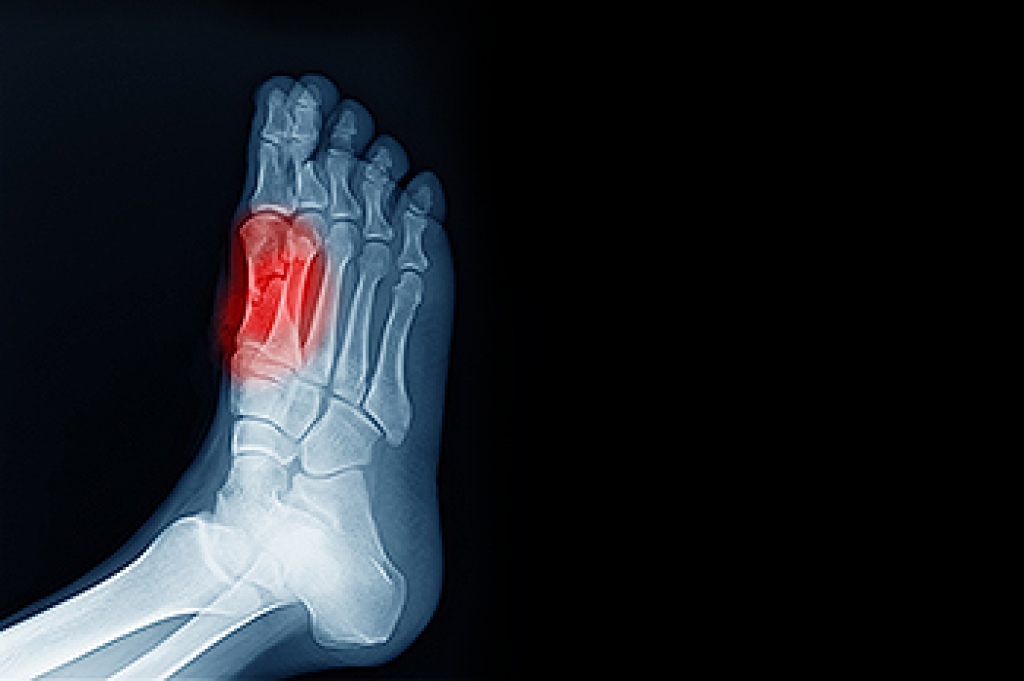
Sesamoiditis is a foot condition that develops when the sesamoid bones in the balls of the feet become inflamed and irritated. If you cycle a great deal during your exercise routine, you might be putting yourself at risk of developing sesamoiditis. Specifically, the sesamoid bones might rupture if the stress from cycling is too great on the feet. There are several ways in which you might work with a medical professional like a podiatrist to treat this problem. For example, you might treat this problem by simply cycling with more supportive footwear. Alternatively, your podiatrist might even recommend wearing orthotic devices of some kind to mitigate the effects of sesamoiditis during cycling. If you are a cyclist and are experiencing some kind of sesamoiditis, contact a podiatrist today for treatment.

Sesamoiditis is an unpleasant foot condition characterized by pain in the balls of the feet. If you think you’re struggling with sesamoiditis, contact Jeffrey Rosenblatt, DPM of New York. Our doctor will treat your condition thoroughly and effectively.

Sesamoiditis

Sesamoiditis is a condition of the foot that affects the ball of the foot. It is more common in younger people than it is in older people. It can also occur with people who have begun a new exercise program, since their bodies are adjusting to the new physical regimen. Pain may also be caused by the inflammation of tendons surrounding the bones. It is important to seek treatment in its early stages because if you ignore the pain, this condition can lead to more serious problems such as severe irritation and bone fractures.

Causes of Sesamoiditis

  • Sudden increase in activity
  • Increase in physically strenuous movement without a proper warm up or build up
  • Foot structure: those who have smaller, bonier feet or those with a high arch may be more susceptible

Treatment for sesamoiditis is non-invasive and simple. Doctors may recommend a strict rest period where the patient forgoes most physical activity. This will help give the patient time to heal their feet through limited activity. For serious cases, it is best to speak with your doctor to determine a treatment option that will help your specific needs.

If you have any questions, please feel free to contact our office located in Brooklyn, NY . We offer the newest diagnostic and treatment technologies for all your foot care needs.
Read more about Sesamoiditis

We Can Treat Your Foot or Ankle Pain

Foot or ankle pain can negatively affect your day-to-day life and can occur due to several different conditions. Pain can also be an indicator of a more serious underlying condition, which is why you should seek professional help as soon as you notice any abnormalities in your feet.

Bunions and Heredity

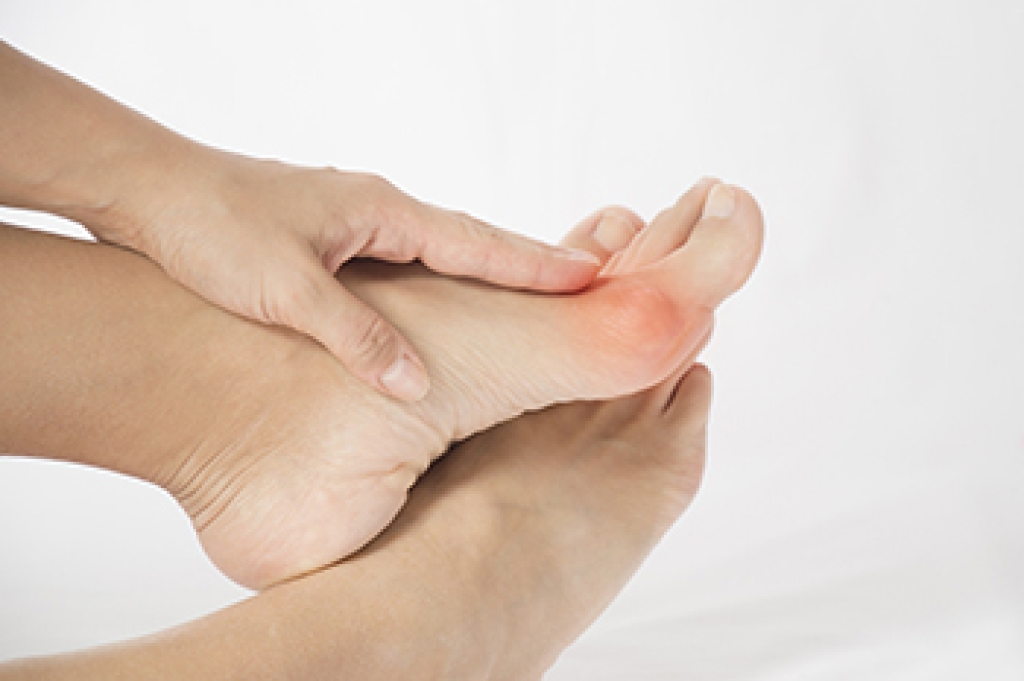
Bunions are essentially defined as bumps that can form on the side of the big toe or pinky toe that are bony in texture. Many patients with bunions are often interested in learning more about why they have developed this condition and what contributed to it. The answer may surprise many patients. Interestingly, heredity and genetics is one of the major contributing factors in bunions. Specifically, the shape of your foot that you inherit from your parents is a major factor that can determine your susceptibility to bunions. Unfortunately, individuals do not have control over their genetic disposition to bunions. It is estimated that more than 80 percent of individuals living with bunions have a history in their family tree of bunions. Although this may lead one to believe that they can do nothing to prevent the development of bunions, this is not technically true. There are a number of steps that an individual can take to mitigate their risk of developing bunions, such as wearing footwear that fits properly. Contact a podiatrist today for more information. 

If you are suffering from bunions, contact Jeffrey Rosenblatt, DPM of New York. Our doctor can provide the care you need to keep you pain-free and on your feet.

What Is a Bunion?

A bunion is formed of swollen tissue or an enlargement of boney growth, usually located at the base joint of the toe that connects to the foot. The swelling occurs due to the bones in the big toe shifting inward, which impacts the other toes of the foot. This causes the area around the base of the big toe to become inflamed and painful.

Why Do Bunions Form?

Genetics – Susceptibility to bunions are often hereditary

Stress on the feet – Poorly fitted and uncomfortable footwear that places stress on feet, such as heels, can worsen existing bunions

How Are Bunions Diagnosed?

Doctors often perform two tests – blood tests and x-rays – when trying to diagnose bunions, especially in the early stages of development. Blood tests help determine if the foot pain is being caused by something else, such as arthritis, while x-rays provide a clear picture of your bone structure to your doctor.

How Are Bunions Treated?

  • Refrain from wearing heels or similar shoes that cause discomfort
  • Select wider shoes that can provide more comfort and reduce pain
  • Anti-inflammatory and pain management drugs
  • Orthotics or foot inserts
  • Surgery

If you have any questions, please feel free to contact our office located in Brooklyn, NY . We offer the newest diagnostic and treatment technologies for all your foot care needs.

Read more about What Are Bunions?

Connect With Us

Book Online